

Posted by Jamie Sinclair
on September 05, 2026

Most adult dogs need at least one walk a day, often two, totalling 30 minutes to 2 hours depending on breed, age and health — low-energy breeds at the lower end, working and herding breeds at the higher end. Puppies need far less, in short, frequent bursts, and there's genuine research showing that too much of the wrong kind of exercise too young can raise the risk of joint problems later in life. Below, we cover the real guidelines by breed and life stage, the puppy exercise rule vets actually recommend, and where joint support fits in for active and senior dogs.
Written by Jamie Sinclair, who writes about canine health, nutrition, and everyday care for Doggy Dailies — focused on translating veterinary research and real ingredient science into practical, honest guidance UK dog owners can use.
Table of Contents
- How Much Exercise Does Your Dog Actually Need?
- Exercise by Breed Group
- How Often, and For How Long?
- Do Dogs Need Walking Every Day?
- Puppy Exercise: The Five-Minute Rule
- The Real Risk of Over-Exercising a Puppy: What the Science Shows
- Exercise for Senior Dogs
- Signs You're Getting the Amount Wrong
- Practical Safety Tips
- Where Joint Support Fits In
- FAQ
- Sources
How Much Exercise Does Your Dog Actually Need?
The PDSA is clear that there's no single number that fits every dog — how much exercise your dog needs depends on their breed, age, health and even personality. A young, healthy working breed and an elderly toy breed have completely different needs, and factors like an injury, recovery from illness, or simply an off day should all reduce the plan for that day. If you're building fitness up for a new activity like running or hiking together, easing in gradually matters as much as the total amount.
Exercise by Breed Group
Breed is the single biggest factor in daily exercise needs. Here's a practical breakdown — use it as a quick calculator: find your dog's energy level, and the minutes and example breeds tell you roughly where you should be.
| Energy level | Daily exercise | Example breeds |
|---|---|---|
| Low energy | 20–40 minutes | Bulldog, Basset Hound, Shih Tzu |
| Moderate energy | 45–60 minutes | Labrador, Cocker Spaniel, most crossbreeds |
| High energy / working & herding | 60–90+ minutes | Border Collie, Australian Shepherd, Jack Russell Terrier |
A dog bred to work all day genuinely struggles on a short daily walk — under-exercised high-energy breeds are far more likely to become bored, destructive, or difficult to live with. On the flip side, brachycephalic (flat-faced) breeds like Pugs and Bulldogs need extra caution with exercise intensity and heat, regardless of how enthusiastic they seem, since their airways make strenuous activity and warm weather genuinely riskier.
How Often, and For How Long?
The Royal Kennel Club puts it simply: every dog owner has a duty of care to make sure their dog gets at least one walk a day, often two. Beyond that baseline, total daily activity of 30 minutes to 2 hours (walking plus play) covers most healthy adult dogs, with the breed table above as your starting point. It's generally better to split a large total into two or more shorter sessions than one very long one, both for digestion (a full stomach followed by vigorous exercise raises the risk of bloat, a genuine emergency) and for keeping your dog's engagement up throughout the walk rather than tiring them out early.
Do Dogs Need Walking Every Day?
Yes, as a general rule — the Royal Kennel Club is explicit that every dog should have at least one walk daily, and it's part of a responsible owner's duty of care, not an optional extra. That said, "every day" doesn't mean identical every day. It's genuinely fine to shorten a walk, swap it for gentle garden time, or skip it altogether on a day your dog is unwell, recovering from a procedure, or in extreme weather — the PDSA notes that during rest and recovery, mental stimulation like puzzle feeders can fill the gap so your dog doesn't get bored and frustrated while their body heals.
Puppy Exercise: The Five-Minute Rule
Puppies need dramatically less structured exercise than adult dogs, and more of it in short, frequent bursts. The widely used guideline among vets is roughly five minutes of walking per month of age, up to twice a day — so a 3-month-old puppy gets about 15 minutes per session, a 4-month-old about 20. This isn't an arbitrary number: it's specifically designed to protect a puppy's growth plates, the soft areas of cartilage at the ends of the long bones that hasn't yet hardened into solid bone. Gentle, free play and short walks are fine; repetitive high-impact activity, forced long-distance walks, and jumping from height are the things worth avoiding until a puppy is closer to full growth (later for larger breeds).
The Real Risk of Over-Exercising a Puppy: What the Science Shows
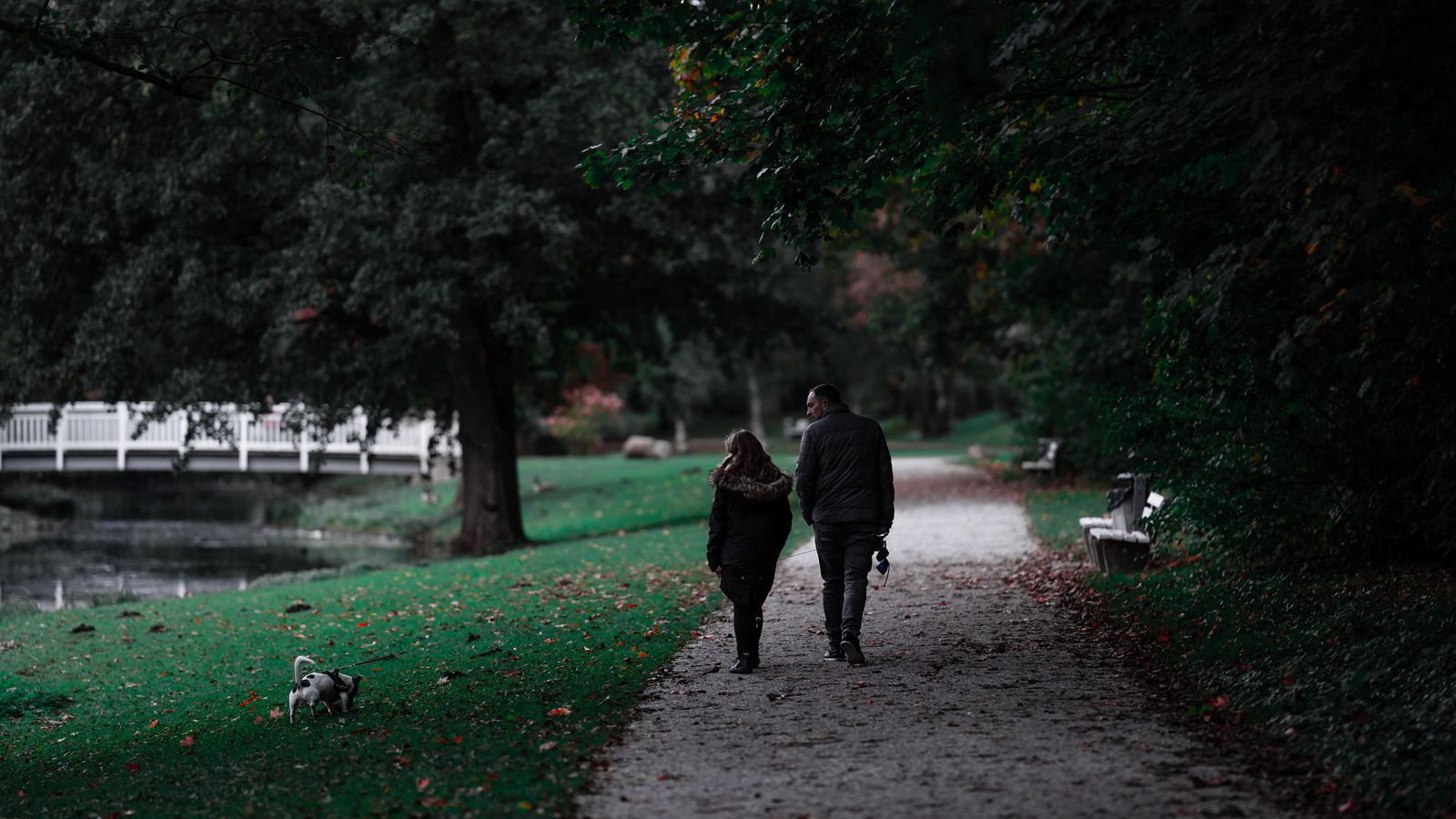
This isn't just caution for its own sake — there's a genuine, well-designed study behind it. A prospective cohort study followed 500 Newfoundland, Labrador Retriever, Leonberger and Irish Wolfhound puppies from birth, tracking their housing and exercise and later checking them radiographically for hip dysplasia. Overall, 24.6% of the dogs were diagnosed with the condition. The researchers found that puppies allowed access to stairs from birth to 3 months of age had an increased risk of developing hip dysplasia, while puppies given daily off-leash exercise on soft, moderately uneven ground over the same early period had a decreased risk (Krontveit et al., 2012, American Journal of Veterinary Research).
The practical takeaway isn't "less exercise is safer" — it's the opposite in one specific way: free, gentle exercise outdoors on natural, uneven ground in the first three months appears genuinely protective, while repetitive stair use at that same young age is a real, avoidable risk factor. This is exactly why the advice for very young puppies focuses on where and how they move, not just how many minutes.
Exercise for Senior Dogs
Older dogs still need regular movement to maintain mobility, muscle mass and a healthy weight — the exercise doesn't stop, but the pace and intensity should. Shorter, more frequent walks at a gentler pace generally suit senior dogs better than one long outing, and dogs with diagnosed arthritis often do best with slow, frequent movement rather than none at all, since gentle activity helps keep stiff joints from seizing up further. Watch for signs of fatigue or discomfort and let your dog set the pace rather than a fixed target.
Signs You're Getting the Amount Wrong
- Too little: weight gain, destructive chewing or digging, excessive barking, restlessness, or difficulty settling at home
- Too much: limping or stiffness after exercise, reluctance to get up and go on the next walk, unusually long recovery time, or sore, worn paw pads
If your dog seems to be struggling to walk at all, or tires unusually quickly, that's worth a vet check rather than assuming it's just fitness.
Practical Safety Tips
- Never exercise on a full stomach. The Royal Kennel Club specifically warns against this, since vigorous exercise shortly after a big meal can contribute to bloat, a life-threatening emergency in dogs.
- Bring water on longer or warmer walks. Our guide to how much water a dog needs covers signs of dehydration to watch for.
- Build up fitness gradually for any new activity, rather than expecting your dog to keep pace with a sudden change in routine.
- Know local access rules. Seasonal restrictions (PSPOs) and livestock laws apply in many UK green spaces — check local signage, especially around fields with sheep or cattle.
- Use a harness for bigger or pulling dogs, which distributes pressure more evenly than a collar alone.
Where Joint Support Fits In
Regular, appropriate exercise is the single best thing you can do for your dog's long-term joint health — but for very active dogs whose joints see heavy daily use, and for senior dogs whose cartilage has naturally started to wear, targeted joint support can be a useful addition alongside it, not instead of it.
Doggy Dailies Hip & Joint Chews
A daily chew combining glucosamine, chondroitin, MSM and green-lipped mussel, formulated to support everyday joint comfort and mobility.
What we love: vet-formulated, GMP-certified, a simple daily routine for active and ageing joints alike.
Best for: working and high-activity dogs, and senior dogs showing early signs of stiffness after exercise.
If you're noticing stiffness, reluctance to jump, or slower recovery after walks, our guide to signs of arthritis in dogs covers what's worth checking with your vet, and our guide to strengthening an older dog's hind legs has a practical routine.
FAQ
How often should you walk your dog?
At least once a day, often twice, according to the Royal Kennel Club. The right total duration, from 30 minutes to 2 hours, depends heavily on your dog's breed, age and health.
Do dogs need to be walked every single day?
As a general rule, yes — it's part of a responsible owner's duty of care. Exceptions are reasonable for illness, recovery, or extreme weather, when mental stimulation at home can help fill the gap.
How long should I walk my puppy?
A common vet guideline is around five minutes of walking per month of age, up to twice a day. This protects the growth plates, which stay soft and vulnerable until a puppy is closer to full growth.
Can too much exercise harm a puppy's joints?
Yes, in specific ways. A large study found puppies allowed access to stairs from birth to 3 months had a higher risk of hip dysplasia, while daily off-leash exercise on soft, uneven ground over the same period was protective.
How much exercise do senior dogs need?
Older dogs still benefit from regular movement, but shorter, more frequent, gentler walks generally suit them better than one long outing. Dogs with arthritis often do best with slow, frequent movement rather than rest alone.
Can you over-walk a dog?
Yes. Signs of over-exercising include limping or stiffness after a walk, unusually long recovery time, and sore paw pads. Puppies and dogs with existing joint conditions are most at risk of overdoing it.
Sources
- PDSA — How much exercise does your dog need?
- The Royal Kennel Club — Puppy and dog walking tips
- Krontveit et al. (2012) — Housing- and exercise-related risk factors associated with the development of hip dysplasia, American Journal of Veterinary Research
This article is for general information only and isn't a substitute for veterinary advice. If your dog seems reluctant to exercise, tires unusually quickly, or you're planning a significant change in activity, please speak to your vet.
Supporting active or ageing joints? Shop our vet-formulated Hip & Joint Chews — trusted by over 100,000 UK dog owners.
