

Posted by Jamie Sinclair
on September 05, 2026

Plants are one of the most common causes of accidental poisoning in UK dogs — UK animal poison specialists VPIS report that dogs make up around 80% of all their poisoning enquiries, and plants are a regular contributor. Garden favourites like bluebells and daffodils get most of the attention, but common houseplants are just as often overlooked, and the risk actually shifts through the year. Below, we cover the real garden and indoor plants to watch for, a seasonal risk calendar, what symptoms actually look like, and exactly what to do if your dog eats something they shouldn't.
Written by Jamie Sinclair, who writes about canine health, nutrition, and everyday care for Doggy Dailies — focused on translating veterinary research and real ingredient science into practical, honest guidance UK dog owners can use.
Table of Contents
- How Common Is Plant Poisoning, Really?
- 10 Garden and Wild Plants Poisonous to Dogs
- The Crocus Mix-Up That Catches Owners Out
- A Seasonal Risk Calendar
- Common Houseplants Toxic to Dogs
- Why Puppies Are Most at Risk
- Symptoms of Plant Poisoning
- What to Do If Your Dog Eats a Poisonous Plant
- Preventing Plant Poisoning
- FAQ
- Sources
How Common Is Plant Poisoning, Really?
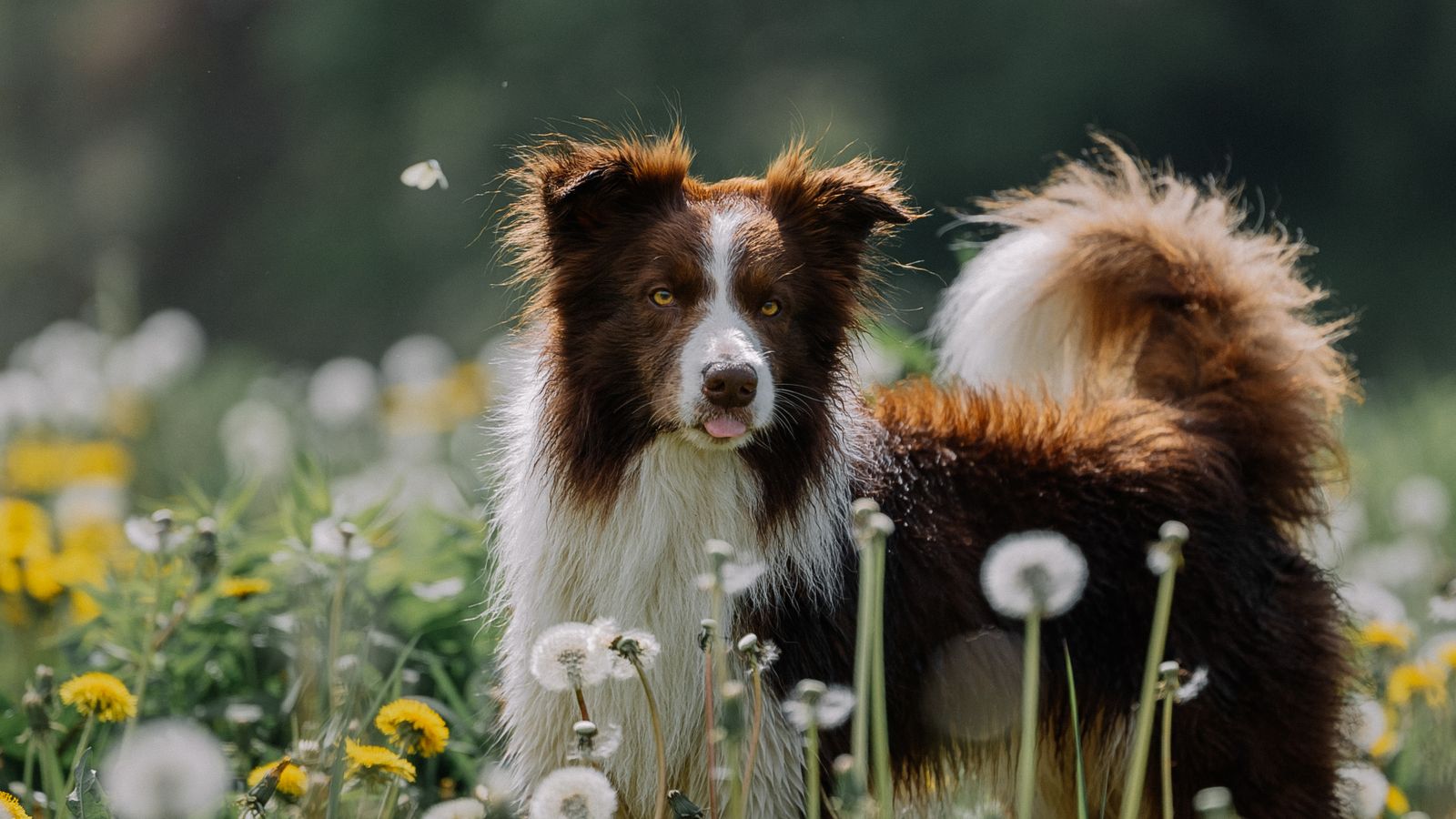
The Veterinary Poisons Information Service (VPIS) is the UK's only dedicated animal poisons centre, and their most recent published figures show dogs account for the large majority of all poisoning enquiries they receive, with plants a regular and recurring category alongside human medicines and household chemicals. Most dogs won't actively seek out toxic plants, but curiosity, boredom, and simple digging get the better of many — which is exactly why knowing what's actually dangerous matters more than assuming your dog will avoid it. Plants aren't the only outdoor hazard worth knowing about, either — warm-weather blue-green algae blooms in ponds and lakes are a separate but genuinely dangerous risk covered in our blue-green algae poisoning guide.
10 Garden and Wild Plants Poisonous to Dogs
| Plant | Toxic part | Main risk |
|---|---|---|
| Bluebells | Whole plant, especially bulbs | Vomiting, diarrhoea, heart problems |
| Daffodils | Bulbs, stems, leaves | Vomiting, diarrhoea, abdominal pain |
| Azalea & Rhododendron | Leaves, flowers | Vomiting, breathing difficulty, potentially fatal |
| Foxglove | All parts | Heart arrhythmias, can be fatal |
| Holly | Berries | Vomiting, diarrhoea, lethargy |
| Ivy | Leaves, berries | Vomiting, diarrhoea, weakness |
| Yew | All parts except the red fruit flesh | Tremors, sudden cardiac arrest, often fatal |
| Lily of the Valley | All parts | Vomiting, diarrhoea, heart problems |
| Ragwort | Whole plant | Liver damage, jaundice, seizures |
| Autumn Crocus | Bulbs especially | Drooling, vomiting, organ damage |
This isn't a complete list — the PDSA and Blue Cross both maintain longer reference lists, and it's always worth checking a specific plant before assuming it's safe. Tulips, hyacinths, snowdrops, and giant hogweed (which can also burn human and canine skin on contact) are further common UK culprits worth knowing about. The fig tree is another good example of a garden plant that's safe to eat the fruit of but genuinely irritating to the skin and stomach in leaf, stem or sap form — see our Can Dogs Eat Figs? guide for the full fruit-versus-plant breakdown.
The Crocus Mix-Up That Catches Owners Out
This is worth calling out specifically, since the name causes genuine confusion. Spring crocus (the small purple, yellow or white flowers that bloom February–March) causes only mild gastrointestinal upset if eaten — vomiting and diarrhoea, rarely more. Autumn crocus (Colchicum autumnale, blooming September–November) is a completely different plant despite the similar name, and is genuinely one of the most dangerous plants on this list: it contains colchicine, a potent alkaloid concentrated in the bulb and seeds, which can cause bloody vomiting, shock, and multi-organ failure, sometimes with a delayed onset of several days that makes it easy to miss the connection to what your dog ate (Harringtons). There's no specific antidote. If you're ever unsure which crocus you're looking at, treat it as the dangerous one and call your vet.
A Seasonal Risk Calendar
Most "poisonous plants" guides treat risk as constant year-round, but it genuinely isn't. The Royal Kennel Club notes that bulb poisoning incidents cluster at two specific points: autumn, when bulbs are being planted and dogs dig them up, and spring, when the same bulbs flower and become more visible and tempting. Beyond bulbs, the picture shifts through the year:
- Spring — daffodils, tulips, bluebells and spring crocus are all flowering; this is also when weed killers, fertilisers and pesticides see heavier garden use
- Summer — giant hogweed is at its most toxic; garden chemical use often remains high, and warm, still ponds and lakes are when blue-green algae blooms become a genuine risk on top of the plant hazards covered here
- Autumn — acorns and conkers fall in large numbers and are a genuine seasonal hazard in their own right: a one-off feast on acorns typically causes vomiting and diarrhoea (sometimes bloody), while regular ingestion has been linked to kidney or liver problems, and large amounts can cause an obstruction; autumn crocus also flowers this season. Fallen walnuts are a further, less-recognised autumn risk — old or mouldy walnuts left on the ground can cause tremorgenic mycotoxicosis, a seizure-inducing poisoning covered in our walnut toxicity guide
- Winter — Christmas plants (holly, ivy, mistletoe, poinsettia) become more prevalent indoors, and antifreeze (ethylene glycol), while not a plant, is a genuine winter-specific poisoning risk worth knowing about — it has a sweet taste dogs find appealing and is highly toxic even in small amounts
Knowing which season you're in is a genuinely useful extra layer of vigilance on top of the general plant list above.
Common Houseplants Toxic to Dogs

Most "poisonous plants" advice focuses entirely on the garden, but plenty of common UK houseplants are just as risky for a curious dog — and unlike garden plants, they're accessible all year round, indoors, at nose height:
- Peace lily — contains calcium oxalate crystals that cause oral irritation, drooling, and vomiting if chewed
- Devil's ivy (Pothos) — also contains calcium oxalate crystals; causes mouth irritation, drooling and swelling
- Sago palm — genuinely one of the most dangerous houseplants; every part is toxic, and it can cause liver failure and death even in small amounts
- Dieffenbachia (dumb cane) — causes intense mouth and throat irritation, drooling, and difficulty swallowing
- Aloe vera — the gel is generally considered low-risk, but the plant's latex layer can cause vomiting and diarrhoea if eaten
If you keep houseplants and a dog that likes to chew, it's worth checking each one against a toxicity list before bringing it home, or keeping riskier varieties somewhere genuinely out of reach — a high shelf isn't always enough for a determined or agile dog.
Why Puppies Are Most at Risk
Puppies investigate the world with their mouths, and this curiosity peaks between roughly 8 and 24 weeks of age — exactly the window when many owners are also introducing a new puppy to the garden for the first time. If you're bringing a new puppy home, our new puppy shopping list covers the essentials, and it's worth doing a plant check on the garden and any houseplants before they arrive. Adult dogs can also chew inappropriately due to boredom, anxiety, or a condition called pica (a compulsion to eat non-food items), so this isn't purely a puppy issue, but it's worth being especially vigilant with a new puppy exploring an unfamiliar garden or home.
Symptoms of Plant Poisoning
Symptoms vary by plant and amount eaten, but the common signs to watch for include:
- Vomiting or diarrhoea, sometimes with blood — our dog diarrhoea guide covers general red flags, though a suspected plant should always mean a vet call regardless of severity
- Excessive drooling
- Drowsiness, weakness, or collapse
- Irregular heartbeat or breathing difficulty
- Tremors or seizures
- Pawing at the mouth or visible mouth irritation (typical of calcium-oxalate plants like peace lily)
- Jaundice (yellowing of the gums or eyes), which can indicate liver involvement
What to Do If Your Dog Eats a Poisonous Plant
- Stay calm and act quickly. Time matters more than panic — the sooner a vet knows what's happened, the better they can advise.
- Identify the plant if you can. Take a photo or a small cutting to bring with you, since this genuinely helps a vet assess the specific risk.
- Call your vet or an emergency vet immediately, even if your dog seems fine — some toxins, like those in yew, foxglove, and autumn crocus, can cause serious effects before obvious symptoms appear.
- Don't try to make your dog vomit unless a vet specifically tells you to, since this can make things worse with certain plants or if your dog is already showing symptoms.
- Note the time and amount eaten if you know it, since this helps your vet judge urgency and treatment.
Preventing Plant Poisoning
- Check any new garden or houseplant against a toxicity list (PDSA, Blue Cross, or the ASPCA's plant database) before bringing it home
- Remove or fence off known toxic plants your dog can access, rather than relying on them to avoid it
- Keep dogs on a lead around unfamiliar plants when out and about, especially in parks or woodland where you can't control what's growing
- Rake up fallen leaves, berries, and bulbs promptly, since these are often more accessible and more concentrated in toxins than the growing plant
- In autumn, clear fallen acorns and conkers from areas your dog has access to, given the seasonal spike in cases
- Give bored or anxious dogs appropriate outlets — chew toys, enrichment, and enough exercise — since boredom is a genuine driver of inappropriate chewing
FAQ
What are the most poisonous plants for dogs in the UK?
Yew, foxglove, and autumn crocus are among the most dangerous, since all three can cause fatal heart or organ problems even in relatively small amounts. Bluebells, daffodils, azaleas, rhododendrons, and lily of the valley are also genuinely toxic and commonly found in UK gardens.
Is spring crocus as dangerous as autumn crocus?
No. Spring crocus causes only mild stomach upset. Autumn crocus is a different, far more dangerous plant that can cause organ failure, despite the similar name.
Are houseplants as dangerous as garden plants for dogs?
Some are. Sago palm is one of the most dangerous plants a dog can eat, houseplant or otherwise, and peace lily, pothos, and dieffenbachia all cause genuine irritation and discomfort if chewed.
What should I do if my dog eats a poisonous plant?
Contact your vet or an emergency vet immediately, even if your dog seems fine. Identify the plant if you can, and don't try to induce vomiting unless a vet specifically advises it.
How common is plant poisoning in dogs?
Genuinely common. The UK's Veterinary Poisons Information Service reports that dogs make up the large majority of all animal poisoning enquiries they receive, with plants a regular contributing category.
Are puppies more at risk from poisonous plants?
Yes. Puppies explore with their mouths, and this curiosity peaks between roughly 8 and 24 weeks of age, often coinciding with their first experiences of a garden.
Sources
- Blue Cross — Plants poisonous to dogs
- PDSA — Which plants are poisonous to pets?
- Veterinary Poisons Information Service (VPIS) — Latest news and case data
- The Royal Kennel Club — Poisons in your garden
- Harringtons — What flowers are poisonous to dogs?
This article is for general information only and isn't a substitute for veterinary advice. If your dog has eaten any part of a plant and you're concerned, contact your vet or an emergency vet immediately.
