

Posted by Jamie Sinclair
on October 03, 2026

Yes, many fruits are safe for dogs in small amounts, including apples, bananas, blueberries, strawberries and watermelon. A few, led by grapes, raisins, sultanas and currants, are genuinely toxic with no safe amount at all. This guide gives you a single, scannable reference for every common fruit, with links to a full dedicated guide for each one.
Written by Jamie Sinclair, who writes about canine health, nutrition, and everyday care for Doggy Dailies – focused on translating veterinary research and real ingredient science into practical, honest guidance UK dog owners can use.
Last updated: 3 October 2026
Table of Contents
- Safe Fruits for Dogs: The At-a-Glance Table
- Fruits Dogs Should Avoid
- How to Serve Fruit to Your Dog Safely
- Why Grapes Are Different From Every Other Fruit
- Pits, Seeds and Stones: The Hidden Hazard
- FAQ: Fruit and Dogs
- Sources
Every UK dog owner has had this moment: a strawberry rolls off the chopping board, and your dog is instantly under your feet. Before you hand it over, it helps to know which fruits are genuinely fine, which need a bit of prep, and which should never make it into the bowl.
Doggy Dailies already has a full dedicated guide for most individual fruits – covering preparation, portion guidance and specific risks for that fruit alone. This page is different on purpose. It is a single reference table so you can check a fruit in seconds, then click through to the deep-dive guide if you want the full picture.
Safe Fruits for Dogs: The At-a-Glance Table
All of the fruits below are generally safe for dogs when given in small amounts, with the preparation step in the note followed. Moderation matters here: fruit should only ever make up a small proportion of your dog's daily food, alongside a complete, balanced diet.
| Fruit | Note |
|---|---|
| Apples | Crunchy and fibre-rich; always remove the core and pips first. |
| Bananas | Energy-dense and liked by most dogs; peel first and keep portions small. |
| Blueberries | Low-calorie, antioxidant-rich, and a popular training treat straight from the punnet. |
| Blackberries | Fibre and vitamin C in a soft, easy-to-chew berry; wash well before serving. |
| Raspberries | Fibre-rich and low in sugar; fine fresh or lightly mashed for older dogs. |
| Strawberries | Vitamin C and fibre; slice to avoid a whole strawberry becoming a choking risk. |
| Watermelon | Mostly water, so great for hot days; always remove the seeds and tough rind. |
| Melon & cantaloupe | Sweet and hydrating; remove the seeds and the fibrous outer rind before serving. |
| Mango | Vitamin-rich but high in natural sugar; always remove the stone and tough skin. |
| Pineapple | Fine in small, bite-sized pieces once the tough core and spiky skin are removed. |
| Kiwi | Vitamin C-rich; peel first and offer only a small piece given its fibre content. |
| Pears | Fibre-rich like apples; remove the core and pips before offering a few slices. |
| Plums | Flesh is fine in small amounts; the stone is a genuine choking and toxicity risk. |
| Cherries | Flesh alone isn't toxic, but the pit, stem and leaves are – best avoided whole. |
| Figs | Ripe flesh is fine in small amounts; the fig tree's sap and leaves are not. |
| Pomegranate | The seeds (arils) are fine in small amounts; skip the bitter, tannin-rich rind. |
| Oranges, satsumas & clementines | A vitamin C treat in small amounts; always remove the peel and white pith. |
| Avocado | Flesh carries lower risk than the myths suggest; the skin, pit and high fat content don't. |
| Peaches | Flesh is fine in small, bite-sized amounts and offers vitamin A and fibre. Always remove the stone, which is both a choking and blockage hazard and contains a cyanide-producing compound. Skip tinned peaches in syrup, which are mostly added sugar. |
| Apricots | Ripe flesh in small amounts is usually well tolerated. Like peaches, the stone is a genuine choking and blockage risk and contains the same cyanide-producing compound, so always cut around it and discard it entirely. |
| Cranberries | Small amounts of fresh or plain dried cranberries are usually fine and are sometimes used for urinary health. Avoid sweetened dried cranberry mixes, which are often blended with raisins or added sugar – always check the label first. |
| Coconut | Fresh coconut flesh in small amounts is generally fine and contains lauric acid. It's high in fat, so keep portions modest, and skip the hard shell and large amounts of coconut water, which is very high in potassium. |
Fruits Dogs Should Avoid
Unlike the moderation-based fruits above, the fruits in this table carry a real, documented risk and are not a matter of portion size. Treat them as an outright no, not a "small amount is fine" situation.
| Fruit | Why to avoid it |
|---|---|
| Grapes, raisins, sultanas & currants | Linked to sudden acute kidney injury in dogs, with no known safe amount for any dog, of any size. |
| Lemons, limes & other sour citrus | Citrus oils and psoralen compounds in the peel and pith can cause real digestive upset, and the sharp taste usually puts dogs off anyway. |
| Wild or unidentified berries | Hedgerow berries you can't positively identify carry real poisoning risk – treat any unknown berry as unsafe and seek vet advice if eaten. |
| Dried fruit mixes (raisin-based) | Trail mix, fruit cake and some granola bars hide raisins or sultanas among other dried fruit – always check the full ingredients list. |
How to Serve Fruit to Your Dog Safely
Preparation matters as much as the fruit itself. Four simple habits cover almost every fruit on the safe list above.
Remove pits, stones and pips first. Apple, pear, cherry, plum, peach and apricot all have seeds or stones that carry a genuine choking, blockage or cyanide-compound risk. The flesh is usually the fine part – the hard centre is not.
Wash everything, even the fruit you'll peel. Pesticide residue and dirt sit on the skin even if your dog won't eat it, and can transfer to the flesh when you cut it.
Keep portions genuinely small. Fruit should be a small proportion of your dog's daily food, not a meal substitute. A few blueberries or one or two slices of apple is a sensible amount for most dogs; a large bowl of any fruit, even a safe one, can cause an upset stomach from the natural sugar and fibre alone.
Introduce one fruit at a time. Offer a small piece of a new fruit and wait 24 hours before trying another. This makes it far easier to spot an individual sensitivity, rather than guessing which of three new fruits caused loose stools.
Why Grapes Are Different From Every Other Fruit
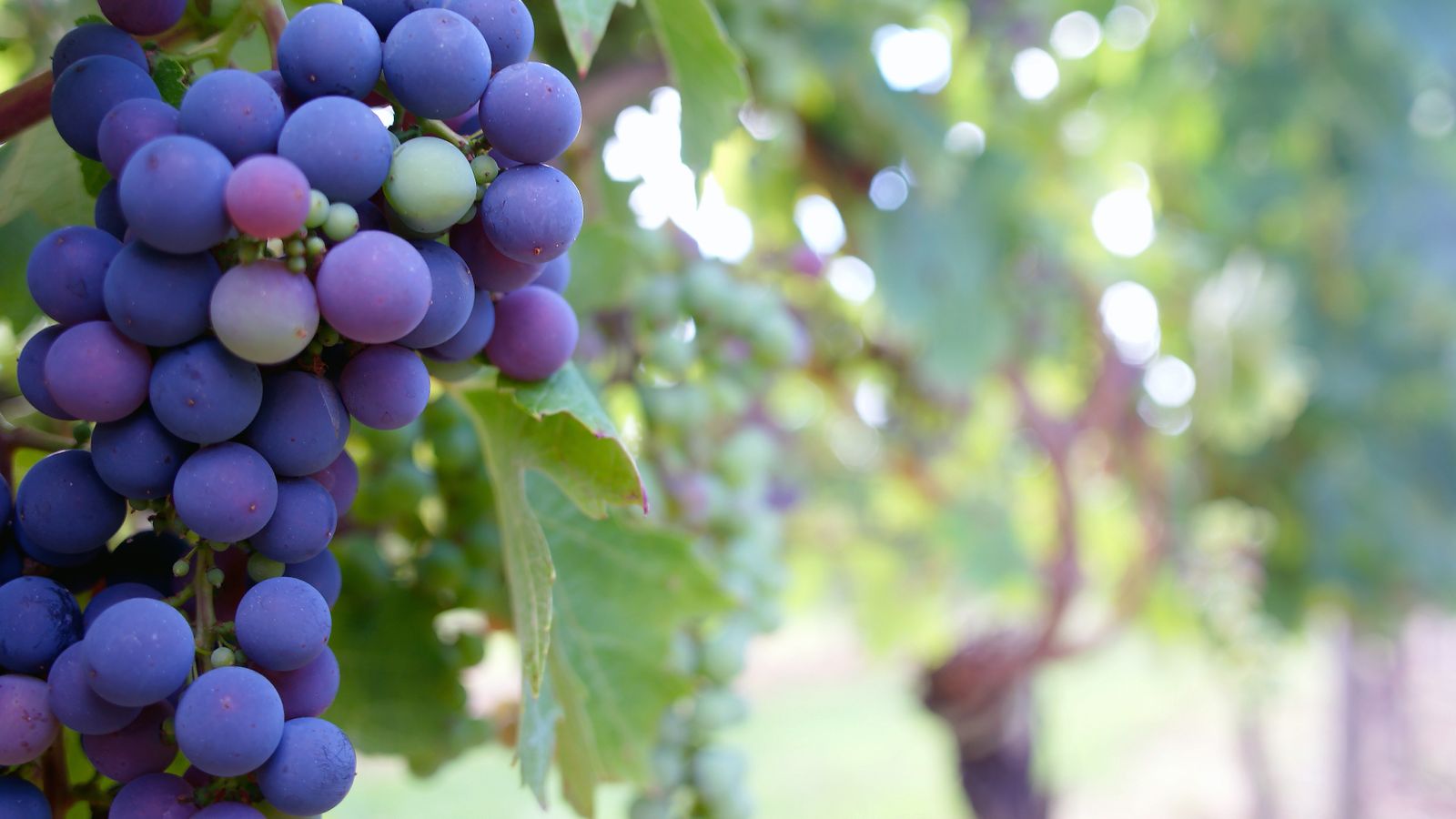
Grapes deserve their own section because they break the usual "moderation" rule that applies to the rest of this list. The Merck Veterinary Manual notes that the exact toxic mechanism in grapes and raisins is still not fully understood, even after decades of documented cases.1
Tartaric acid is the leading suspected culprit in current research, but vets still cannot say how much grape or raisin will harm a particular dog.1 That uncertainty is exactly why there is no safe amount.
A dog that has eaten grapes before without issue is not proof that grapes are fine for that dog – some dogs can tolerate a few, then react badly to the same amount weeks later.
If your dog eats any amount of grapes, raisins, sultanas or currants, contact your vet or an animal poison helpline straight away rather than waiting to see if symptoms appear.
Pits, Seeds and Stones: The Hidden Hazard
Several otherwise safe fruits share one hazard: a pit, stone or cluster of seeds containing amygdalin, a compound that releases cyanide when broken down in the body.2 Apple pips, and the stones in cherries, plums, peaches and apricots, all contain it in varying amounts.
A dog swallowing one whole pit by accident is unlikely to get a toxic dose, because the compound needs to be chewed and digested to release cyanide, and the stone itself is more likely to pass through or cause a blockage first. The real risk is a dog that deliberately chews and swallows several stones, or gets into a bag of discarded fruit waste in the kitchen bin.
FAQ: Fruit and Dogs
How much fruit can a dog have in a day?
There's no single fixed amount for every dog, because it depends on size, the specific fruit and your dog's usual diet. As a general guide, fruit should only ever make up a small proportion of daily food, with the rest coming from a complete, balanced dog food.
What is the safest fruit to start with?
Blueberries and sliced apple (pips removed) are two of the easiest starting points for most dogs, since they're low in sugar relative to other fruits and rarely cause stomach upset in small amounts.
My dog ate a grape by accident – what should I do?
Contact your vet or an animal poison helpline immediately, even for a single grape or raisin, rather than waiting for symptoms. There is no known safe amount, and early advice gives the best outcome.
Can puppies eat the same fruits as adult dogs?
The same safe-versus-toxic list applies to puppies, but their smaller size means even a small amount of sugar or fibre can upset their stomach more easily. Introduce fruit later and in smaller pieces than you would for an adult dog.
Are tinned or dried fruits as safe as fresh fruit?
Not usually. Tinned fruit is often packed in sugary syrup, and dried fruit is concentrated in sugar and sometimes mixed with raisins or sultanas. Fresh, plain fruit is almost always the safer choice.
Can fruit replace vegetables in a dog's diet?
No. Fruit and vegetables offer different nutrients, and neither should be relied on as a dog's main source of nutrition. Both are best treated as an occasional, small addition to a complete dog food.
Sources
- Merck Veterinary Manual. Grape, Raisin, and Tamarind (Vitis spp, Tamarindus spp) Toxicosis in Dogs.
- ASPCA Animal Poison Control. Cherry (toxic and non-toxic plants).
- PDSA. Safe Fruit and Veg for Dogs.
This guide is for general information and is not a substitute for veterinary advice. If your dog eats a fruit you're unsure about, especially grapes, raisins, sultanas or currants, contact your vet or an animal poison helpline straight away.
