

Posted by Jamie Sinclair
on October 03, 2026

Urinary tract infections (UTIs) in dogs happen when bacteria, usually E. coli, travel up the urethra and multiply in the bladder. Signs include straining to urinate, frequent small wees, blood in the urine, house-training accidents, and licking at the area. UTIs need a vet diagnosis via urinalysis and urine culture, then prescribed antibiotics — not a home treatment.
Written by Jamie Sinclair, who writes about canine health, nutrition, and everyday care for Doggy Dailies. Jamie focuses on translating veterinary research and real ingredient science into practical, honest guidance for UK dog owners.
Last updated: 3 October 2026
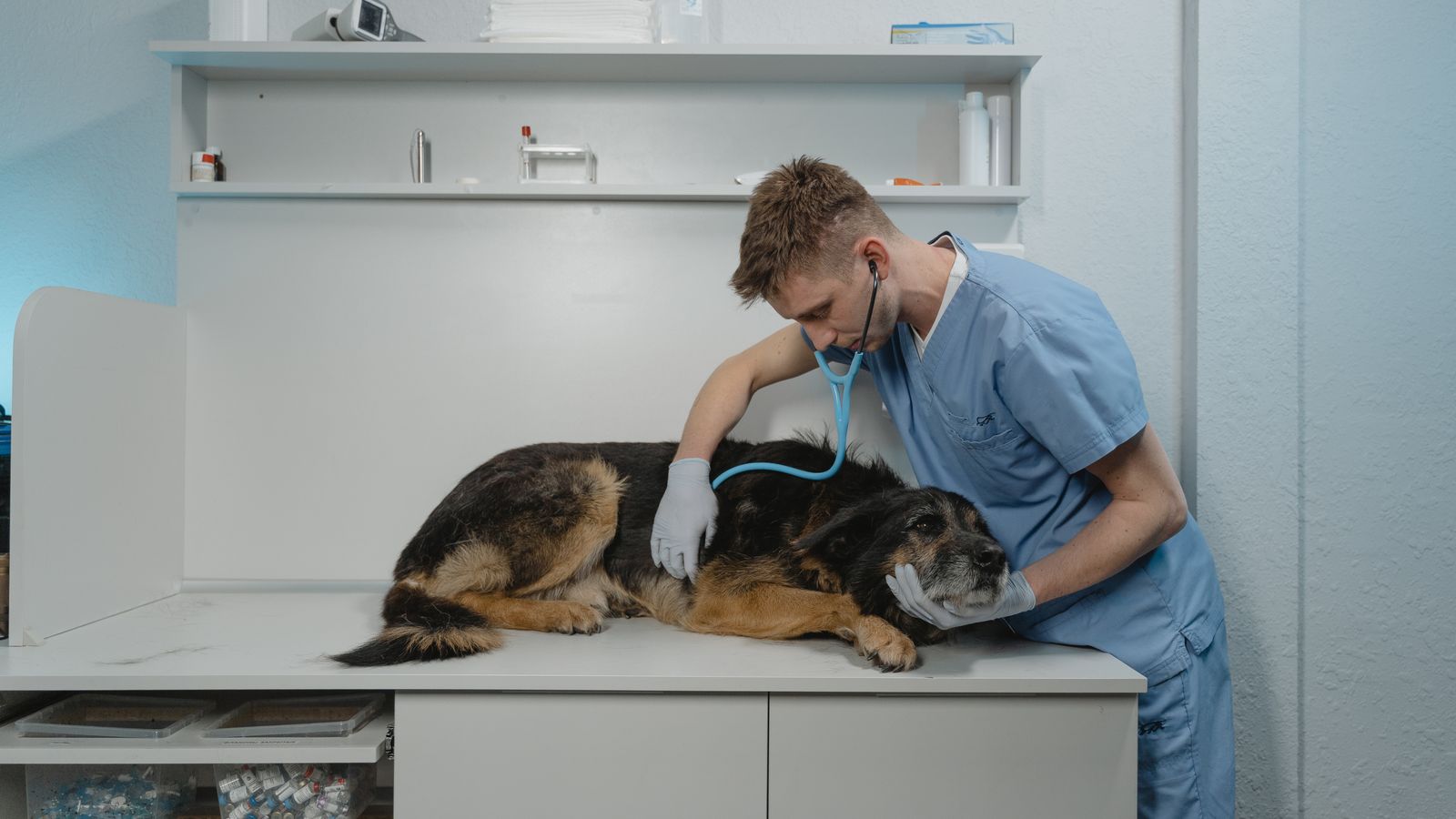
Table of Contents
- What Is a UTI in Dogs?
- Symptoms and When to Worry: A Timeline
- Common Causes of UTIs in Dogs
- Why Female Dogs Get UTIs More Often
- Recurring UTIs and Underlying Conditions
- Senior Dogs and UTI Risk
- How Vets Diagnose a UTI
- Treatment: Why Only a Vet Can Treat a UTI
- Cranberry and Urinary-Wellness Support: What It Can and Can't Do
- Prevention: Hydration, Toileting and Hygiene
- FAQ
- Sources
What Is a UTI in Dogs?
A urinary tract infection develops when bacteria enter the urethra and travel up into the bladder, where they multiply and irritate the lining. Vets often call this bacterial cystitis.
According to the Merck Veterinary Manual, E. coli is the single most common bacteria behind canine UTIs. Staphylococcus, Streptococcus, Proteus and Enterococcus species are also frequently involved.
A 2025 peer-reviewed study in the Brazilian Journal of Microbiology examined 389 canine urine samples. It found 43.7% showed bacterial growth, with E. coli making up 40.3% of isolates. 12.4% of positive samples contained more than one organism at once (Paschoal et al., 2025). This is exactly why vets culture urine rather than guessing which antibiotic will work.
Left untreated, a bladder infection can spread upward to the kidneys — a far more serious, painful condition. That's one reason a UTI should never be left to "see if it clears up".
Symptoms and When to Worry: A Timeline
UTI symptoms in dogs tend to build gradually rather than appearing all at once. Knowing the typical order can help you catch things early.
- Early signs (day 1-2): Slightly more frequent trips outside, a touch more sniffing before urinating, mild discomfort that's easy to miss
- Developing signs (day 2-4): Straining or whimpering while urinating, passing only small amounts despite trying repeatedly, licking at the genital area more than usual
- Clear signs (by day 3-5): Blood-tinged or cloudy urine, strong-smelling urine, accidents indoors from a previously house-trained dog, a hunched or uncomfortable posture
- Red flags needing same-day vet attention: Straining with no urine produced at all (a possible blockage), vomiting, fever, lethargy, or loss of appetite alongside urinary signs
Repeated indoor accidents in an otherwise house-trained dog are commonly missed, mistaken for a behavioural lapse when it's actually pain-driven urgency. If your dog suddenly starts having accidents, rule out a UTI first.
Common Causes of UTIs in Dogs
Most canine UTIs are bacterial, with bacteria from the skin or faeces entering the urethral opening. A handful of factors make this more likely:
- Bacterial ascent — bacteria travelling from the surrounding skin or the anus up into the urethra, the most common route of infection
- Bladder stones (urolithiasis) — stones can irritate the bladder lining and trap bacteria, making infections harder to clear and more likely to recur
- Diabetes mellitus — excess sugar in the urine of diabetic dogs gives bacteria extra fuel to multiply
- Cushing's disease (hyperadrenocorticism) — raised cortisol suppresses the immune system and dilutes urine, both of which make infection easier
- Anatomical abnormalities — a recessed vulva or other structural quirks can trap moisture and bacteria near the urethral opening
- Reduced immune function — illness, certain medications, or age-related immune decline can lower a dog's natural resistance to infection
A UTI can be the first visible sign of one of these conditions — exactly why vets run broader bloodwork, not just a urine test, for recurring cases.
Why Female Dogs Get UTIs More Often
Female dogs are diagnosed with UTIs considerably more often than males, and anatomy is the main reason. A female dog's urethra is shorter and sits closer to the anus than a male dog's. That gives bacteria a much shorter distance to travel before reaching the bladder.
The Merck Veterinary Manual confirms this anatomical difference as the key reason female dogs and cats face a higher ascending-infection risk than males.
Male dogs aren't immune, though. A UTI in a male dog more often points to an underlying cause, such as prostate issues or a stone, so vets tend to investigate further.
Recurring UTIs and Underlying Conditions
A single, uncomplicated UTI usually clears within days of starting the right antibiotic. Recurring infections — two or more in six months, or three or more in a year — always warrant deeper investigation.
Your vet will typically look for:
- Bladder stones, confirmed via X-ray or ultrasound, which can shelter bacteria from antibiotics inside their structure
- Diabetes or Cushing's disease, both identified through bloodwork, since each creates conditions bacteria thrive in
- Anatomical issues, such as a recessed vulva, sometimes needing a specialist referral
- Incomplete bladder emptying, which can be linked to neurological conditions or spinal issues
- Antibiotic resistance, confirmed by a repeat urine culture if the first course didn't fully clear the infection
Treating symptoms alone rarely solves a recurring UTI — finding the underlying driver is what actually resolves it.
Senior Dogs and UTI Risk
Older dogs are more prone to UTIs for several overlapping reasons. Immune function naturally declines with age, and kidney function can become less efficient at concentrating urine. Age-related conditions like diabetes, Cushing's disease and bladder stones also become more common in senior years.
Mobility matters too. A senior dog with arthritis may hold on longer between toilet breaks, since getting up and outside is harder. Holding urine longer gives bacteria more time to multiply.
Treat subtle changes in an older dog — slightly more frequent urination, hesitancy, small accidents — as reasons for a vet check, not just "getting older". These signs overlap with other age-related conditions worth ruling out.
How Vets Diagnose a UTI
Your vet will usually start with a physical examination and a history of the symptoms you've noticed. From there, diagnosis typically involves:
- Urinalysis — checking for white blood cells, red blood cells, bacteria, pH and protein under the microscope
- Urine culture and sensitivity — growing any bacteria present to identify the exact species and test which antibiotics will actually work against it
- Blood tests — particularly for recurring cases, to check for diabetes, kidney function, or other underlying drivers
- Imaging — X-rays or ultrasound if stones, tumours, or structural issues are suspected
The Merck Veterinary Manual notes that quantitative urine culture remains the gold standard. Growth of 1,000 colony-forming units per millilitre or more from a sterile sample confirms infection.
Vets often prefer urine collected by cystocentesis — a needle sample taken directly from the bladder. It avoids contamination from skin or fur and gives the most reliable result.
Treatment: Why Only a Vet Can Treat a UTI
UTIs in dogs are treated with vet-prescribed antibiotics, full stop. No home remedy, diet change, or supplement cures a bacterial infection already established in the bladder. This needs a vet's diagnosis and a prescription.
Once a vet confirms a UTI, treatment usually involves a short course of antibiotics chosen based on the culture result. The Merck Veterinary Manual points to amoxicillin or trimethoprim-sulfonamide as reasonable first choices for straightforward cases. Treatment typically runs 3 to 5 days for uncomplicated infections, and longer for complicated or recurring ones.
Complete the full antibiotic course your vet prescribes, even if your dog seems better after a day or two. Stopping early is a known driver of antibiotic resistance and recurring infections. Your vet may also recommend pain relief, extra water intake, and more frequent toilet breaks alongside the antibiotics.
An underlying condition like diabetes, Cushing's disease, or bladder stones needs its own treatment plan too, if it's driving the infection. Our guide to diabetes in dogs covers what vet-led management of that condition looks like. Our piece on oxalates and kidney stone risk explains more about stone formation.
Cranberry and Urinary-Wellness Support: What It Can and Can't Do
You'll see cranberry-based and "urinary support" products marketed to dog owners. No supplement, including cranberry, treats, cures, or prevents a UTI. Once bacteria are established in the bladder, only vet-prescribed antibiotics clear the infection.
Current veterinary evidence on cranberry for UTI prevention in dogs is limited and inconsistent. Some lab studies suggest compounds in cranberry may make it harder for bacteria to stick to the bladder wall, but this hasn't translated into reliable prevention of real infections. It's a general-wellness idea, not a treatment claim.
A urinary-wellness supplement can sit alongside everyday care, never instead of hydration and vet check-ups. Treat it as ongoing wellness support, not infection treatment — always see a vet for diagnosis and a prescription if you suspect a UTI.
Prevention: Hydration, Toileting and Hygiene
No approach guarantees a dog never gets a UTI, but a few habits genuinely lower the odds:
- Constant access to fresh water — proper hydration keeps urine dilute and encourages more frequent urination, helping flush bacteria out before they take hold
- Regular toileting opportunities — frequent chances to empty the bladder fully, rather than holding on for long stretches, reduces the time bacteria have to multiply
- Good hygiene around the genital area — keeping the fur around the area trimmed and clean, especially for long-haired breeds, reduces the bacteria available to migrate upward
- Prompt attention to underlying conditions — keeping diabetes, Cushing's disease, or known bladder stones well managed under your vet's care removes one of the biggest recurring-UTI risk factors
- Not delaying vet visits — catching and clearing an infection quickly lowers the chance it progresses to the kidneys or becomes a repeat problem

These habits support general urinary wellness, not a substitute for prompt vet care the moment you notice symptoms.
FAQ
Can a dog's UTI go away on its own without antibiotics?
It's very unlikely, and waiting risks the infection spreading to the kidneys. A UTI needs a vet diagnosis and a prescribed course of antibiotics to clear properly — don't wait to see if it resolves by itself.
What does a dog with a UTI act like?
Dogs with a UTI often strain to urinate and pass only small amounts frequently. They may lick at the genital area, have accidents indoors despite being house-trained, and seem uncomfortable or restless.
Can cranberry supplements treat a UTI in dogs?
No. Cranberry and urinary-wellness supplements don't treat, cure, or prevent a UTI. Only vet-prescribed antibiotics clear a bacterial infection — supplements are general wellness support at most.
Why do female dogs get UTIs more than male dogs?
Female dogs have a shorter urethra positioned closer to the anus, giving bacteria a shorter path to the bladder. This anatomical difference is the main reason UTIs are diagnosed more often in female dogs.
How long does it take to treat a UTI in dogs?
Uncomplicated UTIs typically need 3 to 5 days of vet-prescribed antibiotics, while complicated or recurring infections can need several weeks. Always complete the full course your vet prescribes.
What causes recurring UTIs in dogs?
Recurring UTIs often point to an underlying cause such as bladder stones, diabetes, Cushing's disease, or an anatomical issue. Your vet will investigate with bloodwork and imaging rather than just repeating antibiotics.
Sources
- Merck Veterinary Manual — Bacterial Cystitis in Small Animals
- Paschoal et al., 2025 — Mass spectrometry-based identification reveals the polymicrobial nature of canine urinary tract infections, Brazilian Journal of Microbiology
- PDSA — Bladder Infection (UTI) in Dogs
This article is for general information only and isn't a substitute for veterinary advice. If your dog shows any signs of a UTI, please contact your vet for a proper diagnosis and prescribed treatment.
