

Posted by Jamie Sinclair
on September 10, 2026

Yes — glucosamine itself is generally safe for dogs with pancreatitis, because the molecule contains no meaningful fat and doesn't trigger the pancreas the way dietary fat does. The real risk with joint supplements isn't the glucosamine — it's fat content in flavoured chew formats, and, separately, a dog accidentally eating a whole bottle. Always confirm with your vet before starting any supplement during or after a pancreatitis flare.
Written by Jamie Sinclair, who writes about canine health, nutrition, and everyday care for Doggy Dailies — focused on translating veterinary research and real ingredient science into practical, honest guidance UK dog owners can use. Formulation input from Lourdes María Arnedo Amat.
Last updated: 10 September 2026
For the broader picture on pancreatitis itself — causes, symptoms, diagnosis, and long-term diet management — see our full guide to pancreatitis in dogs. This article focuses specifically on glucosamine safety.
Contents
- What Is Glucosamine, and Why Do Vets Recommend It?
- Can Dogs with Pancreatitis Have Glucosamine?
- Is Glucosamine Hard on a Dog's Liver?
- The Real Liver Risk: Accidental Overdose, Not Normal Use
- What Not to Give a Dog with Pancreatitis
- Choosing a Joint Supplement Format If Your Dog Has Pancreatitis
- When to Talk to Your Vet
- Frequently Asked Questions
What Is Glucosamine, and Why Do Vets Recommend It?
Glucosamine is a naturally occurring amino sugar found in the fluid around your dog's joints and in the cartilage itself. As dogs age, their bodies produce less of it, which is one reason joints get stiffer over time. Supplementing with glucosamine is one of the most widely used and longest-standing approaches to supporting joint comfort in dogs, and it's classed as a chondroprotective agent — something that helps protect cartilage rather than a drug that treats a specific disease.
It's the reason glucosamine appears in both our Hip & Joint Chews and JOINT-EZE tablets, usually alongside Green-Lipped Mussel (a natural source of chondroitin) and other joint-supporting nutrients.
Can Dogs with Pancreatitis Have Glucosamine?
This is where a lot of guidance online gets muddled, because it conflates two separate things: the glucosamine molecule itself, and the product it's delivered in.
Pancreatitis happens when digestive enzymes activate too early, inside the pancreas, instead of waiting to reach the gut. According to PDSA, one of the clearest ways to reduce the strain on an inflamed pancreas is a low-fat diet, since fat is what makes the pancreas work hardest. Glucosamine itself is a small, water-soluble amino sugar — it carries essentially no fat and isn't the ingredient that triggers a pancreatitis flare.
Where things genuinely can go wrong is the format. Many soft, flavoured joint chews use fats, oils, and glycerin-based binders to make them palatable — exactly the kind of ingredients a pancreatitis-prone dog needs to avoid, independent of the glucosamine inside them. So the honest answer isn't "glucosamine is fine" or "glucosamine is risky" — it's that the format matters more than the ingredient, and that's worth raising directly with your vet if your dog has a pancreatitis history.
Is Glucosamine Hard on a Dog's Liver?
At normal, label-recommended amounts, no — the veterinary consensus is that glucosamine is not considered hard on a healthy liver. Toxicology data compiled by ASPCApro puts the oral LD50 for glucosamine in animals at roughly 8,000mg/kg, with no adverse effects recorded even after 12 months of daily use at 2,700mg/kg — figures that are enormously higher than anything a dog would ever consume from a normal daily amount of a joint supplement.
There's also some genuinely interesting science on how glucosamine is processed. Older pharmacology assumed the liver did most of the work breaking it down via first-pass metabolism. More recent research, including work by Aghazadeh-Habashi and colleagues, suggests glucosamine may actually be metabolised mostly in the gut rather than solely by the liver — which, if anything, points to less direct liver workload than once assumed, not more.
Veterinarians answering owner questions on liver and kidney disease consistently describe glucosamine, chondroitin, and MSM as safe to continue at normal amounts even in dogs managing chronic organ conditions — though, as always, your own vet's judgement on your individual dog's case takes priority over general guidance like this.
The Real Liver Risk: Accidental Overdose, Not Normal Use
Here's the safety detail most guides on this topic miss entirely, and it's the one genuinely worth knowing if you keep joint supplements in the house.
A small but real body of veterinary case reports describes dogs developing acute liver failure — not from taking their joint supplement as intended, but from getting into the bottle and eating a large number of tablets in one go. A case published in the Journal of Veterinary Emergency and Critical Care (Borchers et al., 2014) described a dog that ingested roughly 100 joint supplement tablets and developed acute hepatic necrosis, with toxicology showing severely elevated manganese levels in the liver and kidneys — manganese being a common trace-mineral ingredient in many joint formulas. A separate case series in the Canadian Veterinary Journal (Nobles & Safdar, 2015) and a further report in Frontiers in Veterinary Science (2023) describe similar outcomes in dogs that consumed 200 or more tablets at once — doses in the region of 2,000mg/kg of glucosamine, hundreds of times higher than a normal daily amount.
Put together with the LD50 data above, the picture is consistent: normal, label-guided use is not the risk. A dog raiding an unsecured tub or bottle and eating a large quantity in one sitting is. The practical takeaway is simple — store joint supplements the way you would any other tablet, out of reach and with the lid firmly closed, and if your dog ever does get into a container, contact your vet or an animal poisons line straight away rather than waiting to see if symptoms appear.
What Not to Give a Dog with Pancreatitis
Since fat is the real trigger to watch for, it's worth being specific about what that means day to day. PDSA specifically advises against high-fat treats like cheese or fatty cuts of meat, and cautions that even some shop-bought "low fat" foods can still carry more fat than a pancreatitis-prone dog needs. In practice, that means:
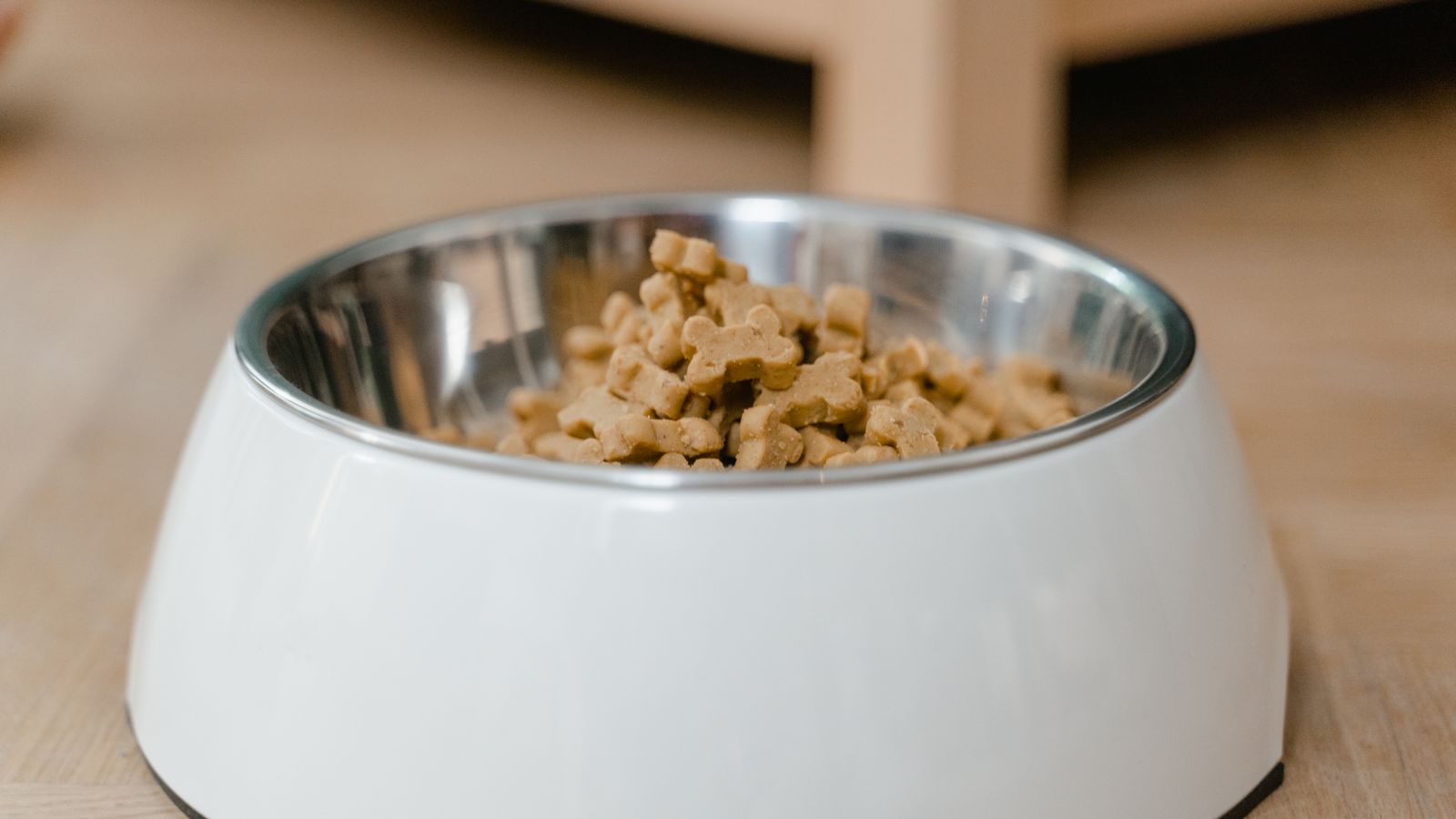
- Fatty table scraps — roast dinner trimmings, sausages, bacon, and fried leftovers are common triggers, particularly around Christmas and other big cooking occasions.
- Cheese and fatty dairy — a popular training treat, but genuinely one to avoid.
- Rich, oily chews and treats — including joint chews that lean heavily on fat or oil for palatability, for the reasons covered above.
- Sudden, large diet changes — introduce any new food or supplement gradually, and always under your vet's guidance if your dog has a pancreatitis history.
Choosing a Joint Supplement Format If Your Dog Has Pancreatitis
If your dog has a history of pancreatitis and your vet is happy for them to continue joint support, format is genuinely worth a conversation. A dry tablet — like JOINT-EZE, which delivers Glucosamine, Green-Lipped Mussel and Hyaluronic Acid without the oils and glycerin binders that soft chews rely on for texture — sidesteps the fat-content question that soft, flavoured chews raise. It won't suit every dog, since some prefer the taste and texture of a chew, but it's a genuinely useful option to have in mind if fat management is already part of your dog's routine.
When to Talk to Your Vet
Always check in with your vet before starting, restarting, or changing any supplement if your dog:
- Is currently having a pancreatitis flare-up, or has been diagnosed within the last few weeks
- Has recurrent or chronic pancreatitis
- Has an existing liver or kidney condition
- Has ever eaten a large number of tablets from a supplement container by accident
Your vet can advise on the right amount for your dog's size and health history, and flag anything specific to their case that general guidance like this can't account for.
Frequently Asked Questions
Can dogs with pancreatitis have glucosamine?
Generally, yes — glucosamine itself carries essentially no fat and isn't what triggers a pancreatitis flare. The bigger consideration is the format it comes in, since some soft chews use fat and oil-based binders. Always confirm with your vet first, especially during or soon after a flare-up.
Is glucosamine hard on a dog's liver?
At normal, label-recommended amounts, no. Toxicology data shows glucosamine has a very wide margin of safety, and some research suggests it's processed mainly in the gut rather than placing significant load on the liver.
What not to give a dog with pancreatitis?
Avoid high-fat foods and treats — fatty table scraps, cheese, bacon, and rich oily chews are the main ones to steer clear of, since dietary fat is what places the most strain on an inflamed pancreas.
Do vets recommend multivitamins or joint supplements for dogs?
Many vets do recommend joint supplements, particularly for older dogs or breeds prone to joint issues, as part of a broader approach to mobility support — usually alongside weight management and appropriate exercise, not as a replacement for either.
Can too much glucosamine harm a dog?
At genuinely excessive amounts — think a whole bottle eaten by accident, not a missed or doubled daily amount — some joint supplements have been linked to serious liver injury in rare case reports, generally attributed to trace minerals like manganese rather than the glucosamine itself. Always store supplements securely and contact your vet immediately if your dog eats a large quantity at once.
What's the difference between glucosamine chews and tablets for a sensitive dog?
Chews are typically flavoured with added fats and oils to improve palatability, while tablets generally are not. For a dog managing pancreatitis or another fat-sensitive condition, a tablet format may be easier to fit into a low-fat routine — though this is worth discussing with your vet for your dog's specific situation.
The Bottom Line
Glucosamine itself isn't the concern for most dogs with pancreatitis — it's essentially fat-free and has a wide safety margin at normal amounts. The two things actually worth paying attention to are the fat content of the product format (chew vs. tablet) and keeping supplements safely stored out of reach, since the documented liver-injury cases involve dogs eating dozens or hundreds of tablets at once, not dogs taking their supplement as intended. As with any change for a dog managing a health condition, loop your vet in before you start.
Related Reading
For the full picture on pancreatitis — causes, symptoms, diagnosis, and long-term diet management — see our pillar guide to pancreatitis in dogs. For more on supporting your dog's joints, see our guides on Signs of Joint Problems in Dogs and Best Dog Joint Supplements in the UK.
Sources
- PDSA — Pancreatitis in Dogs
- ASPCApro — Overdoses of Oral Chondroprotective Agents
- Borchers A, Epstein SE, et al. (2014) — Acute enteral manganese intoxication with hepatic failure due to ingestion of a joint supplement overdose, Journal of Veterinary Diagnostic Investigation
- Nobles IJ, Safdar K. (2015) — Multiorgan dysfunction syndrome secondary to joint supplement overdosage in a dog, Canadian Veterinary Journal
- Bunnell NM, Weatherton L. (2023) — Case report: Treatment of joint supplement toxicity resulting in acidemia, hyperglycemia, electrolyte derangements, and multiple organ dysfunction, Frontiers in Veterinary Science
This article is for general information and does not replace advice from your veterinarian. If your dog has pancreatitis, a liver or kidney condition, or has eaten anything unexpected, contact your vet for guidance specific to your dog.
