

Posted by Jamie Sinclair
on October 03, 2026

Most isolated vomiting in an otherwise bright, normal dog is caused by something minor — dietary indiscretion, eating too fast, or mild stomach upset — and settles on its own within a day.
But repeated vomiting, vomiting with a swollen or painful abdomen, blood in the vomit, or vomiting alongside lethargy can signal a genuine emergency and needs same-day veterinary attention. This guide covers the everyday causes, the urgent ones, and a clear framework for knowing which is which.
Written by Jamie Sinclair, who writes about canine health, nutrition, and everyday care for Doggy Dailies — focused on translating veterinary research and real ingredient science into practical, honest guidance UK dog owners can use.
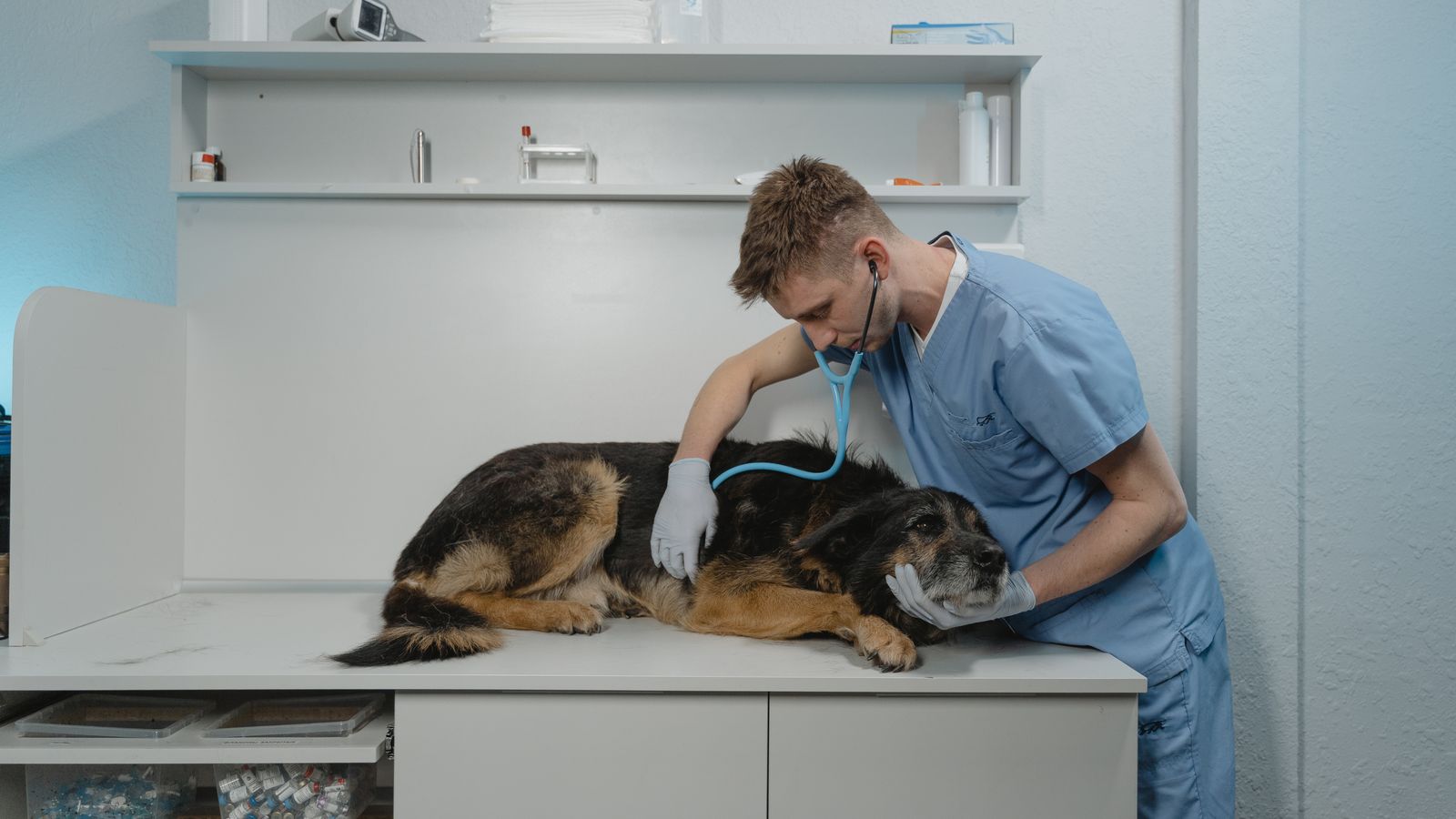
Table of Contents
- Read This First: Bloat (GDV) Is a True Emergency
- Everyday Causes of Vomiting in Dogs
- Other Genuinely Urgent Causes
- When to See a Vet Now vs Monitor at Home
- What the Vomit Looks Like — Does It Matter?
- What Happens at the Vet
- Supporting Digestive Recovery After a Mild Episode
- FAQ
- Sources
Read This First: Bloat (GDV) Is a True Emergency
Before anything else: if your dog has a visibly swollen, hard, or distended abdomen and is retching or trying to vomit without bringing anything up, this is gastric dilatation and volvulus (GDV), commonly called bloat. It is genuinely life-threatening and progresses within hours, not days.
GDV happens when the stomach fills with gas and twists on itself, cutting off its own blood supply. It mainly affects large, deep-chested breeds — Great Danes, German Shepherds, Standard Poodles, Weimaraners — though any dog can be affected. There is no safe home care for suspected bloat.
If you see a swollen abdomen plus unproductive retching, drooling, restlessness, or collapse, get your dog to an emergency vet immediately. Do not wait to see if it passes.
Everyday Causes of Vomiting in Dogs
Most vomiting is far less dramatic than GDV. In a dog who is otherwise bright, eating, and behaving normally, these everyday causes are far more likely:
- Dietary indiscretion — eating something unusual, spoiled food, rubbish, or grass
- Eating too fast — common in greedy eaters and multi-dog households, often bringing up undigested food within minutes
- Mild stomach upset — a sudden change of food, a rich treat, or a new chew
- Motion sickness — vomiting specifically linked to car journeys, especially in puppies; our guide to ginger and dogs covers what the research actually says about ginger and travel-related nausea
- Hairballs or grass — occasional vomiting after eating grass is usually harmless
- Overexcitement or stress — some dogs vomit from anxiety, such as before a vet visit
A single, isolated vomit from a dog who is otherwise bright, drinking normally, and keen for their next meal is rarely a cause for alarm. The PDSA notes that most cases of vomiting in dogs resolve on their own within 24 hours when the dog remains well in every other respect.
Other Genuinely Urgent Causes
Beyond bloat, several other causes of vomiting genuinely need prompt veterinary care rather than a wait-and-see approach:
- Pancreatitis — inflammation of the pancreas, often triggered by a fatty meal or scraps; typically causes repeated vomiting, abdominal pain, and lethargy. Our full guide to pancreatitis in dogs covers the causes, red flags, and long-term diet management in detail
- Parvovirus — a severe, highly contagious virus mainly affecting unvaccinated puppies, causing forceful, repeated vomiting alongside bloody diarrhoea and collapse
- Toxin ingestion — chocolate, xylitol (found in some sugar-free products), grapes and raisins, certain plants, or human medication
- Intestinal obstruction — a swallowed toy, sock, bone fragment, or ball physically blocking the gut, often causing repeated vomiting and an inability to keep anything down
- Kidney or liver disease — chronic organ disease can cause recurring vomiting, often alongside increased thirst, weight loss, or lethargy over time
None of these are something to manage at home on a guess. If you suspect any of them — especially a known toxin or a puppy with no parvovirus vaccination — contact your vet straight away rather than monitoring first.
When to See a Vet Now vs Monitor at Home
This is the single most useful question to answer quickly, so here is a direct framework rather than vague reassurance.
See a vet immediately if:
- The abdomen looks swollen, bloated, or hard
- Your dog is retching but not bringing anything up
- There is blood in the vomit (fresh red, or a dark, coffee-ground appearance)
- Vomiting happens repeatedly within a few hours, or your dog can't keep water down
- Vomiting is paired with lethargy, collapse, pale gums, or not eating
- Your dog is a puppy and unvaccinated, or has known contact with parvovirus
- You know or suspect your dog swallowed a toxin, foreign object, or toy
- Vomiting continues for more than 24 hours, even if it seems mild
Likely fine to monitor at home if:
- It was a single, isolated vomit
- Your dog is bright, alert, and behaving completely normally afterwards
- They're still drinking water and interested in food at the next normal mealtime
- There's no blood, no swollen abdomen, and no other symptoms
If you're monitoring at home, withhold food (not water) for a few hours, then offer a small amount of a plain, bland meal such as boiled chicken and rice. If vomiting returns, or your dog seems off in any other way, move straight to a vet visit rather than continuing to wait.
What the Vomit Looks Like — Does It Matter?
Colour and content can offer useful clues, though they're never a substitute for a vet's assessment when something feels genuinely wrong.
- Yellow/foamy (bile) — often seen on an empty stomach, sometimes called bilious vomiting syndrome; frequently resolves with a small, earlier evening meal
- White foam — can indicate an empty stomach, or sometimes points toward a respiratory issue like kennel cough rather than true vomiting
- Brown, resembling faeces — can suggest an intestinal obstruction or blockage further down the gut
- Fresh red blood — bleeding somewhere in the upper digestive tract; needs same-day veterinary attention
- Dark, coffee-ground appearance — partially digested blood, also needs urgent attention
- Undigested food, shortly after eating — usually points toward eating too quickly rather than a deeper problem
What Happens at the Vet
For straightforward cases, your vet will typically start with a physical exam, including gently feeling the abdomen for pain, swelling, or a mass. For anything persistent or unclear, they may recommend bloodwork, an X-ray, or an ultrasound to look for an obstruction, organ disease, or the twisted stomach seen in GDV.
Treatment depends entirely on the cause. Mild cases often just need a short period of gut rest and a bland diet. More significant cases — pancreatitis, parvovirus, obstruction, or GDV — need hospital-level care, which can include fluids, medication, or emergency surgery. Catching these early, rather than waiting at home, consistently gives dogs a better outcome.
Supporting Digestive Recovery After a Mild Episode
Once your vet has confirmed a mild, everyday episode isn't anything serious, some owners look for gentle ways to support their dog's gut as it settles back to normal. This is supportive care only — never a substitute for veterinary treatment of anything genuinely urgent covered above.
A balanced gut microbiome plays a real role in digestive comfort, and many dogs benefit from ongoing support between episodes rather than only after one. Our Probiotic Chews are formulated to support everyday digestive balance, and pair naturally with the bland-diet approach above once your dog is cleared to eat normally again.

For the wider picture on digestive health, our dog gut health guide covers what a healthy gut actually looks like day to day.
FAQ
When should I worry about my dog vomiting?
Worry if the abdomen looks swollen, there's blood in the vomit, vomiting happens repeatedly within a few hours, or it's paired with lethargy or not eating. A single isolated vomit in an otherwise bright dog is usually not urgent.
What does a swollen abdomen with vomiting mean?
A swollen, hard abdomen combined with retching or trying unsuccessfully to vomit can mean bloat (GDV), a life-threatening emergency that needs immediate veterinary attention, particularly in large, deep-chested breeds.
Can I give my dog anything at home to stop vomiting?
For a bright, otherwise normal dog, withholding food (not water) for a few hours before offering a small bland meal is usually enough. Never give human anti-sickness medication without your vet's direction.
Why does my dog vomit yellow foam?
Yellow, foamy vomit is usually bile, often seen on an empty stomach, sometimes called bilious vomiting syndrome. It frequently improves by feeding a small meal slightly earlier in the evening.
Is vomiting always an emergency in puppies?
Not always, but it's taken more seriously than in adult dogs, especially if the puppy is unvaccinated, since parvovirus causes forceful, repeated vomiting and spreads quickly. Any unvaccinated puppy vomiting repeatedly should see a vet promptly.
How long can a dog vomit before it's serious?
Vomiting lasting more than 24 hours, or happening several times within a few hours, is a reason to contact your vet rather than continue waiting it out at home.
Sources
- PDSA — Vomiting in Dogs: causes and when to worry
- VCA Animal Hospitals — Bloat: Gastric Dilatation and Volvulus in Dogs
- Merck Veterinary Manual — Vomiting in Dogs
This article is for general information only and isn't a substitute for veterinary advice. If your dog has a swollen abdomen, blood in their vomit, or is vomiting repeatedly alongside lethargy, please contact your vet or an emergency vet immediately.
