

Posted by Jamie Sinclair
on October 03, 2026

A dog seizure usually has three phases: a pre-ictal "aura" of restlessness, the ictal event itself (collapse, paddling, jaw movements, loss of consciousness), and a post-ictal recovery of confusion. Most seizures last under two minutes. A seizure lasting over 5 minutes, repeated seizures within 24 hours, or any first-ever seizure needs urgent veterinary attention.
Written by Jamie Sinclair, who writes about canine health, nutrition, and everyday care for Doggy Dailies — focused on translating veterinary research and real ingredient science into practical, honest guidance UK dog owners can use.
Last updated: 3 October 2026
Table of Contents
- What Is a Seizure in Dogs?
- The Three Phases of a Seizure
- What Causes Seizures in Dogs?
- Breed Predisposition: Idiopathic Epilepsy
- What to Do (and Not Do) During a Seizure
- When Is a Seizure a Veterinary Emergency?
- How Vets Diagnose and Manage Seizures
- FAQ
- Sources
What Is a Seizure in Dogs?

A seizure is a sudden burst of abnormal electrical activity in a dog's brain. It temporarily disrupts normal nervous-system function, causing involuntary movement, altered awareness, or both.
Seizures are a clinical sign, not a disease on their own. The Merck Veterinary Manual classifies seizures by cause into idiopathic (genetic, no structural cause found), reactive (a metabolic or toxic trigger), and structural (physical brain disease).
Most seizures are brief and self-limiting, resolving in under two minutes. Even so, every first-ever seizure deserves a veterinary work-up, since the cause ranges from manageable to genuinely urgent.
The Three Phases of a Seizure
Vets describe a seizure event as three distinct stages. Recognising each one helps owners describe what happened accurately, which speeds up a vet's diagnosis.
Pre-Ictal Phase (the Aura)
The pre-ictal phase, sometimes called the aura, can last from seconds up to several hours before a seizure starts. A dog may seem anxious, clingy, restless, or oddly withdrawn, pacing or whining for no obvious reason.
Not every dog shows a noticeable aura, and some owners only recognise it in hindsight, once the seizure itself has made the earlier behaviour make sense.
Ictal Phase (the Seizure Itself)
The ictal phase is the seizure event itself, typically lasting 30 seconds to two minutes. A generalised (grand mal) seizure usually involves sudden collapse, loss of consciousness, stiffening followed by paddling leg movements, and jaw chomping.
Drooling, vocalising, and loss of bladder or bowel control (urination or defecation) are all common during this phase and do not necessarily signal anything more serious on their own.
A focal seizure looks different: isolated twitching in one part of the body, facial twitching, or brief unusual behaviour, sometimes without any loss of awareness at all.
Post-Ictal Phase (Recovery)
The post-ictal phase follows immediately and can last minutes to around 24 hours. Dogs are commonly disoriented, wobbly, temporarily blind, restless, or unusually hungry or thirsty during this window.
Some dogs recover within minutes; others take the better part of a day to seem fully themselves again. A prolonged or unusually severe post-ictal phase is worth mentioning to a vet.
What Causes Seizures in Dogs?
Seizure causes fall into a few broad categories. Working out which one applies is the central job of veterinary diagnosis, since the right next step depends entirely on the cause.
Idiopathic (Genetic) Epilepsy
Idiopathic epilepsy is the single most common cause of recurring seizures in young-to-middle-aged dogs, with no structural brain abnormality found on scans. It is considered genetic in many predisposed breeds and typically first appears between 1 and 5 years old.
Toxin Ingestion
Chocolate, xylitol, certain mushrooms, slug and snail bait (metaldehyde), antifreeze, and some recreational drugs can all trigger seizures. Onset is usually sudden, and symptoms often appear alongside vomiting, drooling, or abnormal heart rate.
Metabolic Issues
Low blood sugar (hypoglycaemia), liver disease affecting the brain (hepatic encephalopathy), and kidney failure can all disturb brain chemistry enough to trigger a seizure. These causes are often reversible once the underlying imbalance is corrected.
Brain Tumours
In dogs over 5 years old having their first seizure, a brain tumour becomes a meaningfully more likely cause, particularly in certain breeds prone to specific tumour types. Imaging (MRI or CT) is usually needed to confirm or rule this out.
Head Trauma
A significant blow to the head, such as from a road traffic accident or a fall, can cause seizures either immediately or with a delay of weeks to months as scar tissue forms in the brain.
Breed Predisposition: Idiopathic Epilepsy
Most seizure guides written for a general audience skip breed-specific data entirely. A 2022 study led by the Royal Veterinary College's VetCompass programme, drawn from 451,772 dogs under UK primary veterinary care, found an overall 1-year seizure prevalence of 0.82%.
Several breeds showed significantly higher odds of seizures than Labrador Retrievers, the study's reference breed. The table below summarises the main findings.
| Breed or group | Seizure risk vs Labrador Retriever |
|---|---|
| Toy group breeds | 1.68× higher odds |
| Pug, Basset Hound, Dogue de Bordeaux, Boxer, Beagle | Elevated odds |
| Purebred dogs (vs crossbreeds) | 1.28× higher odds |
| Dogs aged 3–6 years (vs 0.5–3 years) | 2.13× higher odds |
| Shih Tzu, West Highland White Terrier, English Springer Spaniel, Cocker Spaniel | Lower odds |
Males showed higher odds than entire females, and dogs weighing 40kg or more showed 1.24 times the odds of dogs under 10kg. This UK-specific pattern is a genuine, citable differentiator most seizure content lacks entirely.
What to Do (and Not Do) During a Seizure
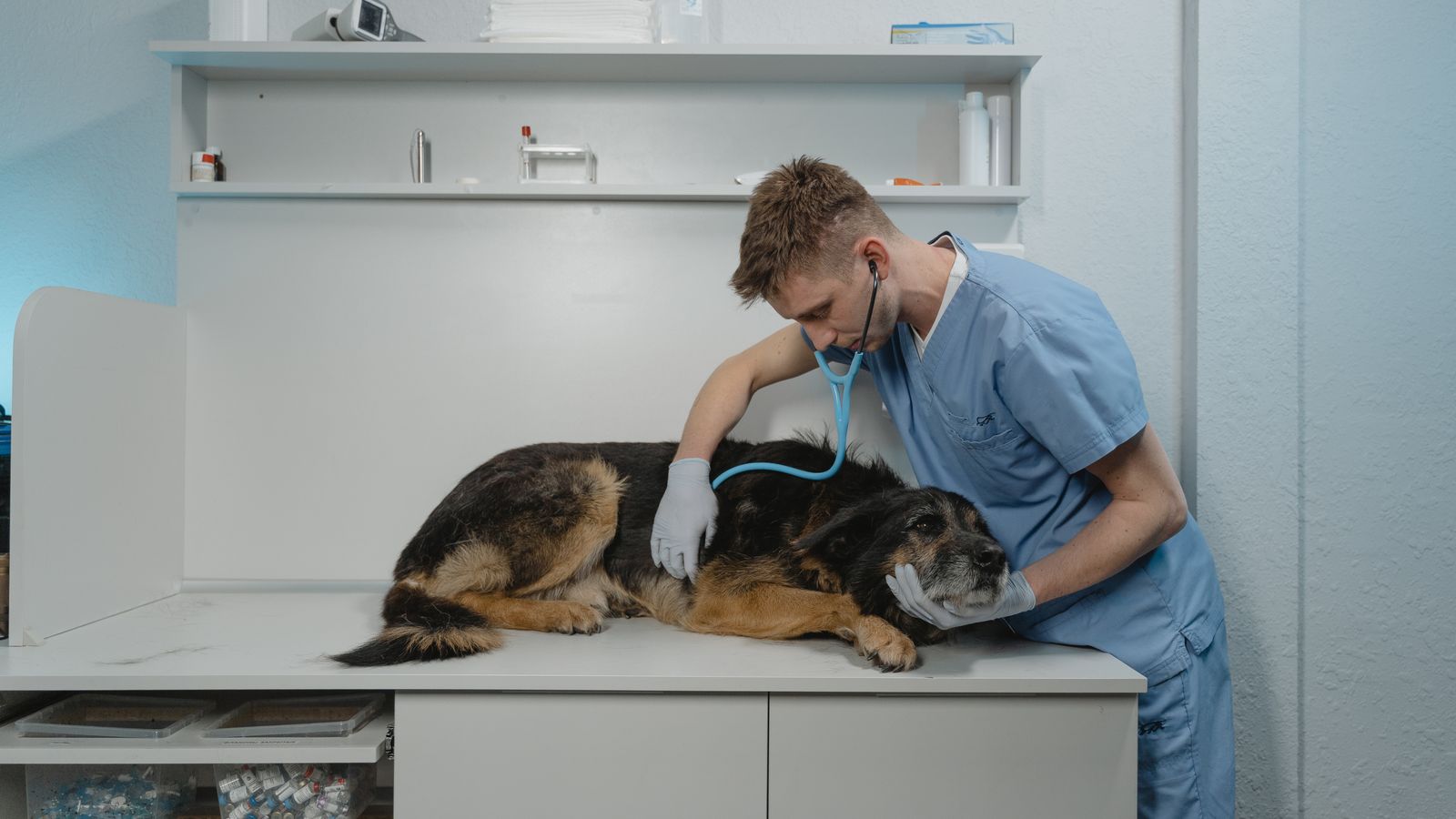
Watching a dog seizure is frightening, but what an owner does in those first few minutes genuinely matters. Here is the step-by-step approach vets recommend.
Do:
- Stay calm and keep your voice low — panicking does not help your dog and makes it harder to think clearly.
- Time the seizure from the moment it starts, using a phone or clock. This single number matters more than anything else you observe.
- Clear the area of furniture, stairs, and anything your dog could knock into or fall from.
- Dim bright lights and reduce noise where possible, since sound and light can prolong some seizures.
- Let the seizure run its course while watching closely, then comfort your dog gently once the ictal phase ends.
- Film it on your phone if you can do so safely — the footage genuinely helps a vet or neurologist with diagnosis.
Do not:
- Put your hands near your dog's mouth. This is the single most persistent seizure myth: dogs cannot swallow their tongues. The myth comes from human first aid and is incorrect even there — putting fingers near a seizing dog's jaw risks a serious, unintentional bite.
- Try to restrain or hold your dog down. You cannot stop the muscle movements, and restraint risks injury to both of you.
- Give food, water, or anything by mouth until your dog is fully alert again, since swallowing reflexes are impaired during and just after a seizure.
- Leave your dog unsupervised near stairs, water, or a swimming pool during the post-ictal confusion phase.
When Is a Seizure a Veterinary Emergency?
This is the single most important section for any dog owner reading about seizures, because the timing genuinely changes outcomes.
Call a vet or emergency vet immediately if:
- A seizure lasts longer than 5 minutes — this is status epilepticus, a genuine life-threatening emergency, since prolonged seizure activity can cause dangerous overheating and brain damage.
- Your dog has cluster seizures — more than one seizure within a 24-hour period — even if each individual episode is brief.
- This is your dog's first-ever seizure, regardless of how long it lasted or how quickly your dog seemed to recover.
- Your dog does not regain normal consciousness between repeated seizures, or seems to go straight from one into another.
Book a prompt, non-emergency vet appointment if:
- Your dog has a known, previously diagnosed seizure disorder and this episode matches their usual pattern and length.
- The seizure lasted under 2 minutes and your dog is now alert, walking, and behaving close to normally.
Status epilepticus and cluster seizures are both genuine emergencies requiring immediate veterinary care, not a wait-and-see approach — every minute of ongoing seizure activity raises the risk of lasting harm.
How Vets Diagnose and Manage Seizures
A vet investigating a first seizure will typically start with a full physical and neurological examination, blood tests checking blood sugar, liver and kidney function, and a detailed history of the episode, including your timing and any video.
Depending on these findings, further tests may include advanced imaging (MRI or CT) and spinal fluid analysis, usually through referral to a veterinary neurologist, to look for structural causes such as a tumour.
Anti-epileptic medication such as phenobarbital, levetiracetam, or potassium bromide is prescription-only. A vet sets the right medication, monitors blood levels, and adjusts the plan over time.
No diet, supplement, or over-the-counter product can treat, cure, or prevent epilepsy or seizures, and none should ever replace prescribed anti-epileptic medication.
Dogs managing a diagnosed seizure disorder often need broader everyday wellness support alongside their vet's treatment plan, in the same way dogs recovering from ataxia or dogs living with canine cognitive dysfunction do — but that support is never a substitute for veterinary management of the underlying neurological condition.
FAQ
Can dogs swallow their tongues during a seizure?
No. This is a persistent myth borrowed from human first aid, and it is not accurate even for people. Dogs cannot swallow their tongues, and putting your hands near a seizing dog's mouth risks an unintentional bite.
How long do dog seizures usually last?
Most seizures last 30 seconds to two minutes. A seizure lasting longer than 5 minutes is status epilepticus, a life-threatening emergency requiring immediate veterinary care.
What is a cluster seizure in dogs?
A cluster seizure means two or more seizures within a 24-hour period, even if each one is brief and the dog seems to recover between episodes. This pattern is a veterinary emergency.
Should I take my dog to the vet after one seizure?
Yes. Every first-ever seizure should prompt a veterinary visit, regardless of how brief it was or how normal your dog seems afterwards, since the underlying cause ranges from manageable to serious.
Which dog breeds are most prone to seizures?
UK VetCompass data shows Toy group breeds, Pugs, Basset Hounds, Dogues de Bordeaux, Boxers and Beagles all have elevated seizure odds compared with Labrador Retrievers, the study's reference breed.
Can diet or supplements cure epilepsy in dogs?
No. No diet or supplement can treat, cure or prevent epilepsy or seizures. Anti-epileptic medication is prescription-only and must be managed by a vet, who monitors and adjusts it over time.
Sources
- Merck Veterinary Manual — Epilepsy in Small Animals
- Royal Veterinary College VetCompass — Seizure Occurrence in Dogs Under UK Primary Veterinary Care
- International Veterinary Epilepsy Task Force — Consensus Report on Epilepsy in Dogs
- Emergency Approach to Acute Seizures in Dogs and Cats — PMC
This article is for general information only and is not a substitute for veterinary advice. Seizures in dogs always need veterinary evaluation. A seizure lasting over 5 minutes, cluster seizures within 24 hours, or any first-ever seizure are genuine emergencies — contact a vet or emergency vet immediately rather than waiting to see what happens.
