

Posted by Jamie Sinclair
on September 18, 2026

Yes, dogs can eat salmon - cooked, boneless, and unseasoned, it's a genuinely good source of protein and omega-3s. Raw salmon is a different matter: it carries a real risk of parasites and bacterial contamination, and repeated raw feeding can cause a thiamine deficiency, but the specific "salmon poisoning disease" many sites warn about has never been documented in the UK. Below is what the actual risks are, what the geography behind that warning really means, and how to serve salmon safely.
Written by Jamie Sinclair, who writes about canine health, nutrition, and everyday care for Doggy Dailies - focused on translating veterinary research and real ingredient science into practical, honest guidance UK dog owners can use.
Last updated: 18 September 2026
Table of Contents
- Why Salmon Is Genuinely Good for Dogs
- The Real Risks of Raw Salmon
- The "Salmon Poisoning Disease" Warning, Explained Properly
- Thiaminase: The Risk That Actually Matters for Raw Feeders
- How to Serve Salmon Safely
- How Much Salmon Can a Dog Have?
- Forms of Salmon to Avoid
- When to See a Vet
- Product Spotlight: Doggy Dailies Probiotic Chews
- FAQ
- Sources
Why Salmon Is Genuinely Good for Dogs
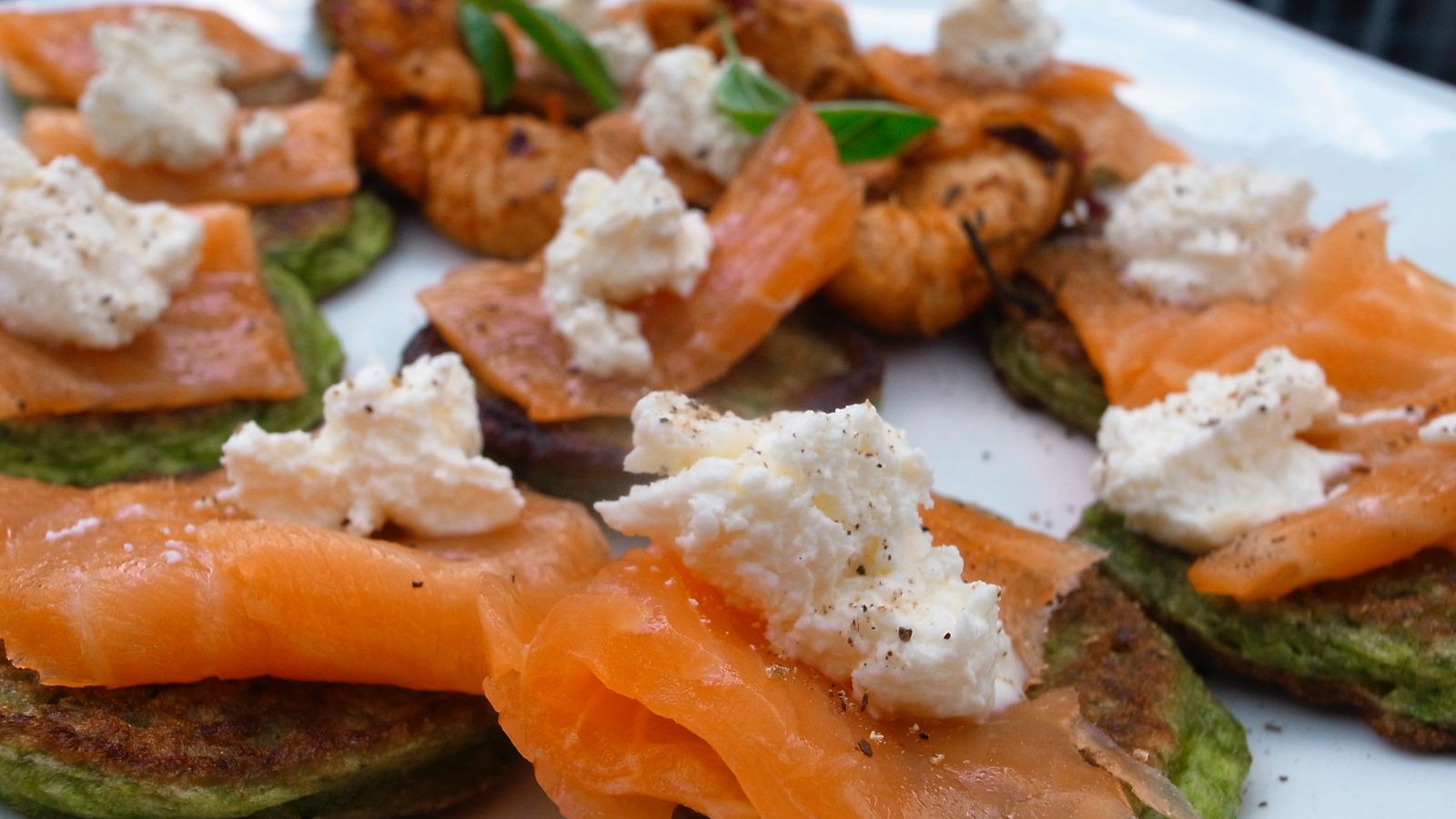
Salmon is a genuinely nutrient-dense protein source for dogs, not just a trendy ingredient. It's rich in omega-3 fatty acids (EPA and DHA), which support skin and coat condition, help manage inflammation, and are commonly used to support joint comfort in older or arthritic dogs. It also provides high-quality, easily digestible protein, plus B vitamins and minerals like selenium. This is exactly why salmon oil is a common ingredient in vet-formulated supplements rather than just a marketing flourish - it's a concentrated, standardised way to get the same omega-3 benefit without needing to feed whole fish regularly.
The Real Risks of Raw Salmon
Raw or undercooked salmon carries three genuine, well-documented risks that have nothing to do with the geographically limited disease covered in the next section:
- Bones. Salmon bones are small, thin, and can splinter, creating a choking hazard or, worse, a risk of gastrointestinal perforation if swallowed.
- Bacterial contamination. Like any raw fish or meat, raw salmon can carry bacteria such as Salmonella or Listeria, which can cause vomiting, diarrhoea, and in vulnerable dogs, more serious illness.
- Parasites. Raw fish in general can carry parasites capable of causing gastrointestinal illness, which is part of why most vets recommend cooking fish for dogs rather than feeding it raw as a matter of routine.
The "Salmon Poisoning Disease" Warning, Explained Properly
Almost every "can dogs eat salmon" guide repeats a stark warning: raw salmon causes "salmon poisoning disease," a parasitic infection with a fatality rate of up to 90% if untreated (Merck Veterinary Manual). That figure is real, and worth taking seriously if it applies to you - but almost no UK-facing article explains where it actually applies, which leaves owners either needlessly alarmed or, in rarer cases, genuinely unaware of a real risk if they travel.
Salmon poisoning disease is caused by a bacterium, Neorickettsia helminthoeca, that lives inside a fluke parasite, which in turn depends on a specific freshwater snail as an intermediate host. That snail's range is confined to river systems on the Pacific coast of North America - Merck's own description places the disease "from northern California to Alaska, especially between northern California and Puget Sound." Because the entire transmission chain depends on a snail species that doesn't occur in UK or European waterways, salmon poisoning disease has no documented cases in the UK, and UK salmon (wild or farmed) doesn't carry the parasite responsible. If you're feeding salmon bought or caught in the UK, this specific disease isn't a realistic risk. It only becomes genuinely relevant if your dog eats raw salmon or trout caught in Pacific Northwest US or Canadian rivers, where it remains a real and serious emergency.
None of this means raw salmon is safe here - the bacterial, parasitic, and bone risks above are all genuine regardless of geography. It simply means the specific, most-quoted "90% fatality" statistic isn't the risk UK owners actually need to weigh.
Thiaminase: The Risk That Actually Matters for Raw Feeders
The genuine nutritional risk with regular raw salmon feeding is thiaminase, an enzyme present in raw fish that breaks down thiamine (vitamin B1) in the diet. Cooking destroys thiaminase along with most of the fish's own thiamine content, which is one of several reasons vets generally recommend cooked over raw fish. A dog fed raw fish as a significant, repeated part of their diet - rather than an occasional treat - is at genuine risk of thiamine deficiency over time, which can eventually cause neurological signs including poor coordination and, in advanced cases, seizures (nutritionrvn.com). This is a real risk for dogs on an all-raw-fish or fish-heavy raw diet, not for a dog who occasionally has a few flakes of cooked salmon as a treat.
How to Serve Salmon Safely
- Cook it thoroughly. Poach, steam, grill, or bake until the flesh is opaque and flakes easily - this destroys thiaminase, kills bacteria, and eliminates the parasite risk entirely.
- Skip the seasoning. No salt, garlic, onion, butter, or oils - plain, unseasoned salmon only. Garlic and onion are genuinely toxic to dogs regardless of the fish they're cooked with.
- Remove all bones. Even in cooked salmon, check thoroughly for small bones before serving.
- Let it cool before offering it, and cut or flake it into appropriately sized pieces for your dog.
How Much Salmon Can a Dog Have?
Salmon is high in fat, so even though it's a healthy protein, it should stay an occasional addition rather than a daily staple, particularly for dogs prone to pancreatitis or already managing their weight. A few tablespoons of flaked, cooked, boneless salmon mixed into a normal meal once or twice a week is a reasonable amount for most adult dogs - scale down for smaller breeds and puppies, and always introduce any new food gradually to watch for any digestive upset. Dogs with pancreatitis, inflammatory bowel disease, liver disease, or a fat-metabolism condition should generally avoid salmon and other oily fish unless your vet says otherwise, given the fat content.
Forms of Salmon to Avoid
- Raw salmon - for the bacterial, parasitic, and bone reasons above.
- Smoked salmon - typically very high in salt, which can cause excessive thirst and urination, and in large amounts, salt poisoning. A tiny occasional taste is unlikely to cause harm, but it shouldn't be a regular treat.
- Salmon cooked with seasoning, butter, garlic, or onion - garlic and onion (and members of the allium family generally) are toxic to dogs independent of the fish itself.
- Salmon skin cooked in oil or heavy seasoning - plain, unseasoned skin is generally fine in small amounts, but it's often the part most laden with added fats and flavourings in a meal prepared for humans.
When to See a Vet
Contact your vet promptly if your dog eats raw salmon and develops vomiting, diarrhoea, fever, lethargy, or swollen lymph nodes, particularly if you're in or have recently travelled to the Pacific Northwest of the US or Canada. Also seek veterinary advice if your dog swallows a salmon bone and shows signs of choking, repeated gagging, drooling, or discomfort when swallowing, or if a dog on a fish-heavy raw diet develops unsteadiness, disorientation, or any neurological signs that could indicate a thiamine problem.
FAQ
Can dogs eat raw salmon?
It's not recommended. Raw salmon can carry bacteria and parasites, contains thiaminase (which breaks down thiamine), and has small bones that pose a choking or perforation risk. Cooked, plain, boneless salmon is the safer option.
Is salmon poisoning disease a risk in the UK?
No documented cases exist in the UK. The disease depends on a freshwater snail found only in Pacific coastal river systems in North America, so UK salmon doesn't carry the parasite responsible. It remains a genuine risk in that specific US/Canadian region.
Can dogs eat salmon skin?
Plain, cooked salmon skin without oil or seasoning is generally fine in small amounts, but it's often high in fat, so keep portions small, especially for dogs prone to pancreatitis.
Can dogs eat smoked salmon?
Only in very small amounts occasionally. Smoked salmon is typically high in salt, which can cause excessive thirst and, in large quantities, salt poisoning.
Is salmon good for a dog's coat and joints?
Yes. Salmon's omega-3 content (EPA and DHA) genuinely supports skin and coat condition and is commonly used to help manage inflammation, including for joint comfort in older or arthritic dogs.
Can puppies eat salmon?
Small amounts of plain, thoroughly cooked, boneless salmon are generally fine for puppies over weaning age, introduced gradually and in small portions given their smaller size and developing digestive systems.
Sources
- Merck Veterinary Manual - Salmon Poisoning Disease and Elokomin Fluke Fever in Dogs
- American Kennel Club - Can Dogs Eat Salmon?
- Nutrition RVN - Thiamine Deficiency and Fish
This article is for general information only and isn't a substitute for veterinary advice. If your dog eats raw salmon, salmon bones, or shows any concerning symptoms after eating fish, contact your vet.
Product Spotlight: Doggy Dailies Probiotic Chews
Doggy Dailies Probiotic Chews
★★★★★ 5.0 (96 verified reviews)
If you like the idea of the omega-3 benefits salmon offers without needing to prepare and portion whole fish, these chews include Wild Alaskan Salmon Oil alongside colostrum, turmeric, and a 3 billion CFU probiotic blend, giving a standardised daily amount of the same omega-3s alongside gut-health support.
What we love: a consistent daily omega-3 amount without portioning fresh fish, plus gut-health support in the same chew.
Best for: dogs who'd benefit from omega-3s but whose owners don't want to prepare fish regularly.
Formulated with veterinary input from Lourdes María Arnedo Amat, licensed veterinary graduate, Faculty of Veterinary Medicine, Region of Murcia.
